Growing a business or tackling a major home project often means facing a big decision: buy the equipment you need or rent it. The upfront cost of purchasing heavy machinery or specialty tools can drain cash you need elsewhere, while renting offers flexibility that scales with your actual workload. Knowing when to make the switch from renting to owning, or when to stay in rental mode indefinitely, can save you thousands of dollars and countless headaches. This article breaks down the real-world scenarios where renting continues to beat buying, even as your operation expands.
Short-Term Roofing Projects and Seasonal Demand
Roofing work tends to spike during certain seasons and then go quiet for months at a time, which makes owning specialized lifting and material-handling equipment a questionable investment for many contractors. Residential roofers who take on a handful of large jobs each spring and summer often find that renting lifts, hoists, and material carts keeps their overhead low during slower months. Instead of tying up capital in machines that sit idle, crews can allocate that money toward hiring skilled labor or marketing for the next busy season.
Storage is another factor that gets overlooked until it becomes a real problem. Owned equipment needs a dry, secure place to sit between jobs, and that space costs money whether the machine is being used or not. Renting eliminates that burden entirely, since the equipment goes back to the supplier the moment the job wraps up.
Precision Manufacturing Equipment for Growing Production Lines
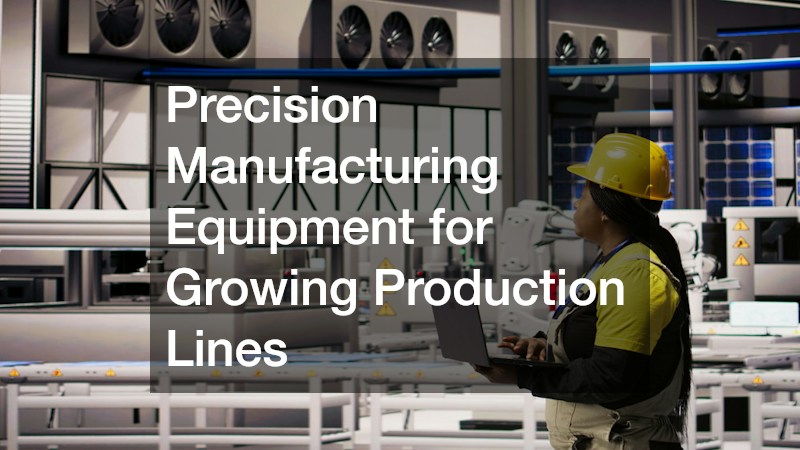
As small manufacturers scale up, they often need access to highly specialized tools that only make sense for a handful of production runs. Cutting edge manufacturing equipment, like 5-axis CNC machines or fiber laser cutters, can carry price tags ranging from $50,000 to well over $250,000, making ownership impractical for a business still testing new product lines. Add in maintenance contracts, operator training, and software licensing fees, and the true cost of ownership climbs even higher before a single part rolls off the line. Renting allows a company to experiment with new processes and see whether demand justifies a permanent purchase. A business might rent a laser cutter for a three-month pilot run to gauge customer response to a new product line, then walk away with no long-term obligation if the numbers don’t pan out. This flexibility also matters when technology shifts quickly. Precision manufacturing tools evolve fast, and locking capital into a machine that may be outdated in two or three years carries real risk. Renting lets growing companies stay current with the latest tooling and tolerances without gambling on which technology will still be relevant when the next upgrade cycle arrives.
This approach also protects a growing business from being stuck with outdated technology. Manufacturing tools evolve quickly, and equipment that felt cutting edge three years ago may already be outperformed by newer models with faster cycle times, tighter tolerances, or better automation integration. CNC machines, laser cutters, and 3D printing systems in particular see frequent upgrades, with newer generations often delivering 15-20% gains in throughput or precision. Renting lets a business swap in updated machinery as it becomes available, rather than being locked into a single generation of tools. This matters most for companies producing tight-tolerance components, medical devices, or aerospace parts, where staying current with equipment capabilities can directly affect quality certifications and client contracts. It also removes the resale burden that comes with ownership. A business that buys a five-axis milling machine may struggle to recoup its investment when it’s time to upgrade, since used precision equipment often loses value quickly and finding a buyer can take months. Renting sidesteps that depreciation risk entirely, letting a company reallocate capital toward R&D or new product lines instead of managing equipment liquidation.
Heavy Excavation Work on Occasional Building Projects
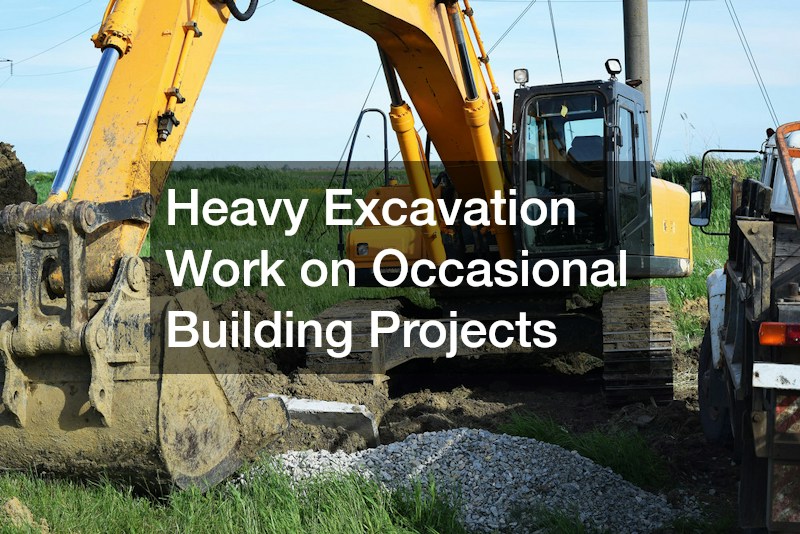
Digging foundations, trenches, or drainage systems requires machinery that most businesses only need a few times a year. A mini excavator might handle a small drainage fix, while a full-sized model with greater reach and horsepower is needed for a basement dig or utility trench on a larger job. Buying a machine that fits only one of those scenarios leaves it sitting idle or, worse, poorly matched to the next project that comes along. An excavator rental gives a home builder or contractor access to the exact size and horsepower needed for a specific job without the long-term costs of ownership, insurance, and maintenance. Rental agreements typically include delivery, service support, and the option to swap equipment mid-project if soil conditions or scope change unexpectedly. That flexibility matters when a job that looked straightforward on paper turns into rocky ground or an unexpected utility line. This is especially useful for companies that work across different terrain types and need different machine sizes from one project to the next. A crew digging in sandy soil one month and dense clay the next can rent the attachments and undercarriage configuration suited to each site rather than forcing one owned machine to do double duty. Over a year of sporadic excavation work, the savings on storage, transport, and depreciation often outweigh what ownership would have offered.
Maintenance is a hidden cost that many people underestimate when comparing renting to buying. Heavy equipment requires regular servicing, part replacements, and inspections to stay safe and functional, and those costs add up quickly for machines that aren’t in constant use. Rental companies handle all of that upkeep, which means crews show up to a job site with equipment that’s already been checked and ready to run.
Sanitation Needs on Active Job Sites
Any construction site or outdoor event with a workforce needs reliable restroom facilities, and buying permanent units rarely makes financial sense for temporary or shifting locations. Bathroom trailer rentals give site managers a clean, comfortable option that can be moved from one location to the next as a project progresses. This flexibility matters most for businesses that operate across multiple sites throughout the year rather than working from a single fixed address.
Beyond convenience, there are real compliance reasons to keep sanitation facilities well maintained and appropriately sized for the crew on site. Local health and safety regulations often dictate a minimum number of units based on worker headcount, and falling short can result in fines or delays. Renting allows a company to scale the number of units up or down as the size of the crew changes throughout a project’s timeline.
Climate Control Systems During Renovation or Expansion
Businesses expanding into new spaces or renovating existing ones often face a stretch of time where permanent HVAC systems aren’t yet installed or functioning properly. During these gaps, temporary climate control units can keep a workspace comfortable and protect sensitive equipment or inventory from temperature swings. Rather than rushing an AC repair on an aging system that’s about to be replaced anyway, many businesses opt to rent portable units until the permanent installation is complete.
This strategy also helps avoid the trap of sinking money into fixing equipment that’s already near the end of its useful life. If a system is scheduled for replacement in the near future, spending heavily on repairs rarely makes sense. Renting a stopgap unit buys time without locking a business into a costly repair bill for something that will be removed anyway.
Plumbing and Water Management Equipment for Larger Jobs
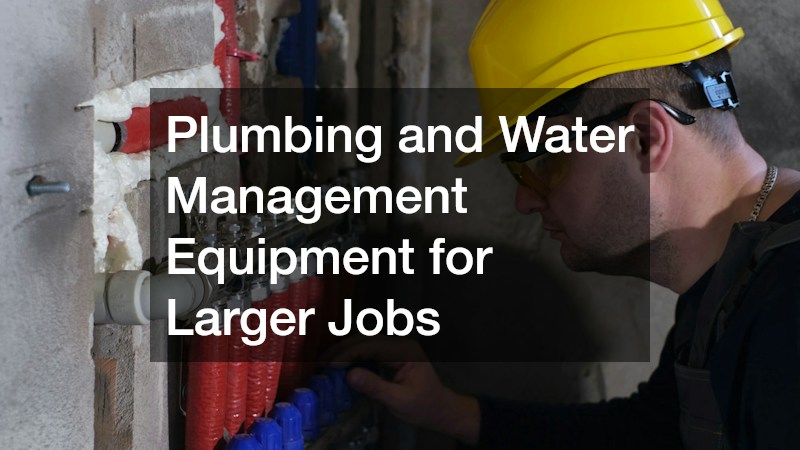
Water management issues, from drainage problems to major pipe replacements, often call for specialized equipment that a typical plumber wouldn’t keep on hand for everyday service calls. Hydro-jetting machines, pipe locators, and trenchless repair tools are excellent examples of equipment that gets rented for a single big job rather than purchased outright. This lets smaller plumbing businesses take on larger commercial contracts without the burden of owning every possible tool in their arsenal.
Renting this kind of equipment also gives a growing plumbing business room to say yes to more complex jobs. Instead of turning down work because the right tool isn’t in the truck, a company can rent exactly what’s needed for that specific contract. This flexibility often becomes a competitive advantage when bidding against larger firms with bigger fixed overhead.
Structural Evaluations Before Major Equipment Purchases
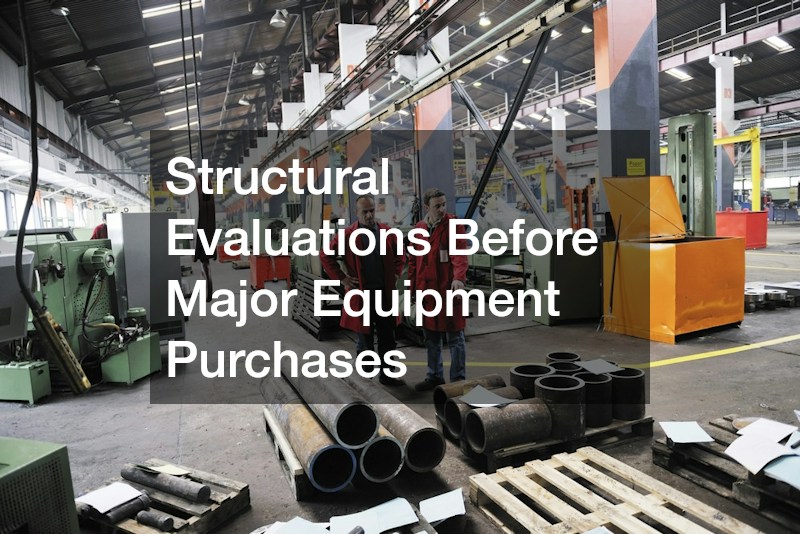
Before committing to buy or rent any major piece of equipment, it helps to understand the actual condition of the structure or site where the work will happen. A thorough condition assessment can reveal whether a building’s foundation, framing, or existing systems can even support the weight or vibration of certain machinery. This is especially important for heavier assets like forklifts, generators, HVAC units, or manufacturing equipment that place ongoing stress on floors, load-bearing walls, or electrical infrastructure. A qualified engineer or inspector will typically check floor load capacity, ceiling clearance, electrical service capacity, and ventilation before signing off on equipment placement. For example, a warehouse floor rated for 150 pounds per square foot may not be able to safely handle a fully loaded industrial lift without reinforcement. Similarly, older buildings may have wiring or panel capacity that can’t support high-draw equipment without costly upgrades. Skipping this step and jumping straight to a purchase decision can lead to costly surprises once work is already underway. You might discover mid-project that a slab needs reinforcement, that clearances are too tight for the equipment to maneuver, or that permits are required for structural modifications. Renting first, while an assessment is completed, gives growing businesses a way to keep operations moving without locking capital into a purchase that the site may not even be able to support.
This kind of evaluation also helps businesses avoid over-buying equipment for a problem that turns out to be smaller than expected. A structural engineer or equipment specialist can assess load requirements, soil conditions, or site access before any purchase decision gets made, often revealing that assumptions driving the original plan were off. A professional assessment might reveal that a project only needs a lighter-duty rental for a short window of time, rather than the heavy-duty purchase originally planned. For example, a company anticipating months of heavy excavation might learn that only two weeks of intensive work are actually needed, with lighter tasks filling out the rest of the schedule. In that case, renting a smaller machine for the bulk of the project and bringing in a heavier rental for just those two weeks can save tens of thousands of dollars compared to buying equipment sized for peak demand. The evaluation might also flag site constraints, like limited clearance or weight restrictions on existing structures, that rule out certain equipment classes entirely. Getting this information early protects both the budget and the timeline for the rest of the project. It also reduces the risk of committing capital to a machine that sits idle for most of the year, since maintenance, storage, and depreciation costs continue whether or not the equipment is in active use.
Roof Structure Replacement and Material Handling
Replacing an aging roof structure often involves working with heavy materials that require careful handling and lifting, particularly when installing roof metal decking across a large commercial building. Renting the lifts, cranes, or conveyors needed to move this material safely is almost always more practical than purchasing equipment that will only be used for a handful of projects each year. The specialized nature of this equipment also means it needs to be operated by trained personnel, which rental companies typically provide as part of the package.
Timing matters a great deal on projects like these, since weather delays can push a job’s schedule around unexpectedly. Rental agreements offer more flexibility to extend or shorten the rental period as conditions change, something that’s much harder to negotiate with equipment a company already owns and is paying to insure regardless of use. This adaptability keeps a project moving without forcing a business into decisions it isn’t ready to make.
Lifting Equipment for Tall or Complex Construction Projects
Vertical construction projects, whether it’s a multi-story building or a large-scale renovation, often require lifting capabilities well beyond what a typical contractor keeps in their equipment fleet. Crane services are a clear example of a resource that almost always makes more sense to rent than to own, given the size of the investment and the specialized training required to operate them safely. Even large, well-established construction firms frequently choose to bring in outside crane operators rather than maintaining their own fleet.
The cost of ownership here goes far beyond the initial purchase price. Cranes require certified operators, regular inspections, permits for transport, and dedicated storage, all of which add layers of expense that most growing businesses would rather avoid. Renting this kind of equipment on a per-project basis keeps those costs contained to exactly the jobs that need them.
Deciding between renting and buying equipment isn’t a one-time choice; it’s a decision that should be revisited as your business grows and your project needs change. In many cases, the flexibility, lower overhead, and access to updated equipment that renting provides will continue to outweigh the benefits of ownership, even for established companies. Take a close look at how often you actually need a given piece of equipment before committing to a purchase, and don’t be afraid to lean on rental options as a long-term strategy rather than a temporary fix. The right choice will always depend on your specific workload, but understanding these tradeoffs puts you in a much stronger position to make it.