Scaling an enterprise requires far more than a strong product and an energetic sales team. For organizations that rely on physical infrastructure, growth demands a highly coordinated approach to brick-and-mortar operations. Expanding into new territories or upgrading existing hubs places immense strain on organizational logistics. Without a standardized operational framework, expansion can quickly derail corporate budgets and compromise brand consistency across regional offices. Managing multiple sites simultaneously introduces variables that can easily overwhelm internal operations if handled haphazardly.
The secret to a seamless rollout lies in building a repeatable infrastructure playbook. This document serves as the operational blueprint for every new location, ensuring that physical spaces are acquired, renovated, and maintained to uniform standards. By treating facility procurement as a structured discipline, growing enterprises can mitigate risks, preserve capital, and protect their long-term operational health. When an organization standardizes its physical deployment, it eliminates the guesswork that often plagues corporate real estate teams during rapid growth phases. This methodical approach ensures that every new branch reflects the company’s core values and operational standards from day one, laying a firm foundation for sustained market success that endures long after the initial launch phase concludes and daily operations normalize.
Strategic Alignment for Market Entry
Before a company breaks ground or signs a commercial lease, corporate leadership must align physical infrastructure goals with broader commercial objectives. Scaling blindly into new markets frequently leads to underutilized space or crippling overhead costs that drain corporate reserves. A data-driven assessment of geographic demand, labor availability, and regional supply chain logistics must guide every early real estate decision. Executive boards must carefully calculate the demographic alignment of a new territory to guarantee the market can support the overhead of a new facility.
Successful organizations utilize proven business expansion strategies to de-risk their geographic scaling efforts. These strategies look past the initial real estate transaction to evaluate the total cost of ownership over a ten-year horizon. Executive teams must evaluate regional zoning laws, tax incentives, and local building codes before committing capital to a specific region. Managing these regional variances requires a systematic approach to vendor vetting and local compliance protocols. Once a target market is selected, the focus shifts to asset acquisition. Whether an enterprise opts for a greenfield build or retrofits an existing facility, the physical shell requires careful vetting. Engaging qualified independent inspectors during the due diligence phase protects the organization from inheriting costly structural deficiencies that could stall the corporate timeline and lead to unforeseen operational liabilities that hurt the bottom line.
Post-Construction and Pre-Occupancy Protocols
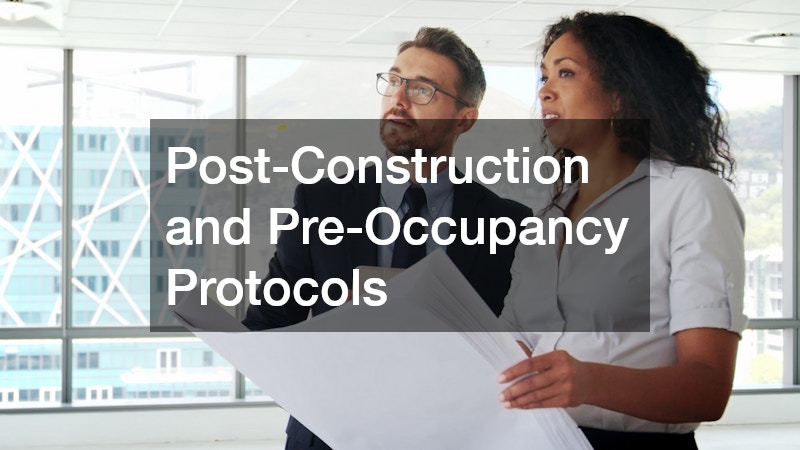
Transitioning a commercial property from a dusty worksite into an active corporate environment is a delicate logistical phase. Post-construction residue, fine drywall dust, and industrial chemical smells can pose health hazards to incoming staff. A standardized protocol for deep environmental remediation is necessary before office furniture, computer networks, or heavy inventory arrives. Fine particulate matter left behind by construction crews can infiltrate sensitive electronic equipment, causing premature hardware failures if not thoroughly addressed.
Retaining a specialized business cleaning company ensures that the new facility meets strict occupational safety standards. These industrial cleaners possess the specialized gear required to sanitize large spaces, clear ventilation residues, and polish raw architectural surfaces. Leaving this task to standard janitorial staff frequently results in missed spots and delayed operational start dates. A certified crew understands how to handle corporate environments without damaging sensitive new installations. Beyond basic sanitization, this pre-occupancy phase requires a final verification of all surface treatments. Wall coatings, acoustic panels, and architectural finishes must be thoroughly inspected for defects. This is the final window of opportunity to demand corrections from subcontractors before the building becomes live and heavily populated by employees, supervisors, and clients who expect a pristine environment.
Safeguarding the Building Envelope
A facility is only as reliable as its protective shell. Water intrusion and structural failures are among the most common causes of catastrophic business interruption during corporate expansions. When acquiring older buildings as part of a growth campaign, the exterior overhead infrastructure requires immediate, professional evaluation to prevent future interior damage. Neglecting the roof structure can result in compromised inventory, mold development, and expensive structural degradation over time.
Securing the services of commercial roofers protects the company’s capital equipment, inventory, and personnel from the elements. A commercial roof requires specialized materials, such as single-ply membranes or built-up roofing systems, designed to withstand severe weather and chemical exposure. Regular structural assessments should be hardcoded into the facility playbook from day one to catch minor wear before it escalates. In addition to preventing leaks, a well-maintained roof plays an essential role in a building’s thermal efficiency. Modern reflecting materials and proper insulation layers reduce the overall carbon footprint of the facility. Addressing these overhead structural concerns early prevents costly emergency repairs when operations are running at peak capacity, avoiding severe business downtime during peak seasons when production cannot afford to stall.
Environmental Control and HVAC Systems
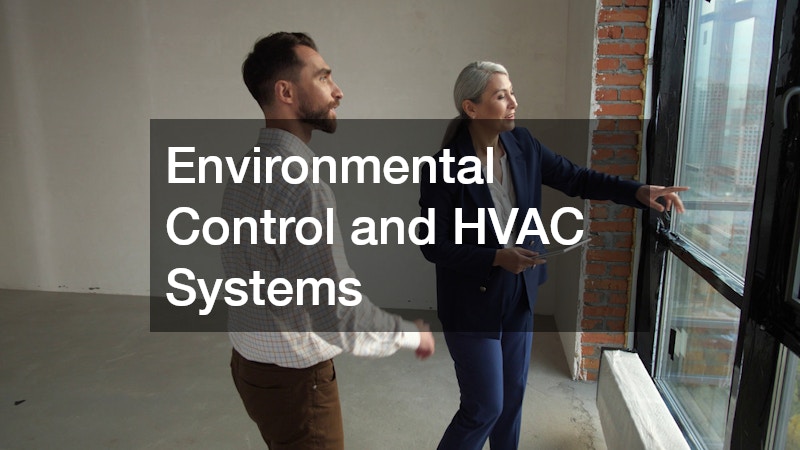
Internal climate regulation directly impacts both workforce productivity and sensitive hardware longevity. Commercial spaces require sophisticated zoning to balance temperatures between server rooms, manufacturing floors, and administrative offices. A failure in climate control can result in ruined inventory, electronic failures, and widespread worker dissatisfaction. Employees working in uncomfortable temperatures exhibit lower engagement and higher error rates during critical operational tasks.
Partnering with a licensed commercial HVAC company allows expanding enterprises to design efficient heating, ventilation, and cooling systems. These engineers calculate total thermal loads based on occupancy expectations, machinery heat output, and regional weather patterns. Installing variable refrigerant flow systems can significantly lower monthly utility expenditures across all active corporate locations. Air filtration has also become a cornerstone of modern workplace safety protocols. Integrating high-efficiency particulate air filtration systems helps mitigate airborne contaminants and seasonal allergens. Developing a strict quarterly maintenance contract for filter replacements and coil cleanings keeps these vital mechanical systems operating at maximum efficiency throughout the fiscal year and ensures steady operations without sudden, costly system breakdowns.
Managing Major Structural Alterations
Rarely does an existing commercial property perfectly fit the exact operational workflow of an expanding organization. Specialized zones, such as research spaces, custom assembly lines, or open-concept collaborative hubs, demand precise structural alterations. Managing these renovations requires a deep understanding of structural load limits, modern interior design trends, and local building codes. Mismanaging a structural alteration can lead to severe municipal fines and lengthy stop-work orders.
Enlisting a reputable commercial builder ensures that all spatial modifications conform to local safety mandates and corporate design standards. These professionals oversee the complex orchestration of subcontractors, materials procurement, and building inspections. Their oversight keeps construction timelines moving predictably, avoiding costly project delays that postpone market entry and delay revenue generation. Material choices during a buildout should favor durability and ease of maintenance over low upfront costs. Investing in premium building materials reduces the total cost of ownership across the lifetime of the lease. A well-constructed space minimizes future operational friction and projects an image of stability to visiting clients, partners, and corporate stakeholders who value a professional atmosphere.
Selecting Durable Industrial Flooring

Flooring surfaces in commercial environments endure relentless abuse from foot traffic, heavy machinery, and chemical spills. Unprotected concrete floors degrade rapidly, generating fine dust that can damage sensitive electronics and compromise indoor air quality. Selecting an industrial-grade surface treatment is vital for any space handling logistics, manufacturing, or high-volume retail operations. Raw concrete simply cannot withstand the daily grinding of heavy equipment without cracking and chipping.
The application of seamless epoxy flooring offers an incredibly durable solution for high-traffic zones. This specialized resin bonding creates a non-porous, chemical-resistant barrier that is exceptionally easy to sanitize and maintain. Additionally, these coatings can be customized with anti-slip additives to improve workplace safety and reduce slip-and-fall liabilities. Properly prepared concrete surfaces ensure that the resin bonds permanently, preventing peeling under heavy loads. Beyond utility, modern industrial coatings enhance the overall lighting profile of a facility by reflecting overhead illumination. This brightens workspace environments, reducing the need for excessive artificial light fixtures and lowering energy bills. Clearly demarcating walkways and safety hazards using contrasting floor colors also improves workflow compliance, visual appeal, and overall warehouse safety metrics for the long haul.
Implementing Daily Maintenance Workflows
While major structural projects demand specialized contractors, daily wear and tear requires a different management approach. Stripped hardware, damaged drywall, broken fixtures, and minor cosmetic issues accumulate quickly in an active corporate environment. Neglecting these minor problems creates a dilapidated atmosphere that harms employee morale and brand perception over time. Small issues left ignored frequently snowball into expensive repairs that require emergency interventions.
Deploying a versatile commercial handyman allows a business to address minor building issues before they turn into major structural failures. These multi-skilled technicians handle a wide range of tasks, from hanging corporate signage to adjusting heavy commercial doors and repairing minor drywall damage. Having a reliable resource for small repairs maintains workplace momentum without the premium cost of hiring specialized builders for minor tasks. An effective maintenance strategy relies on a digitized ticketing system where employees can flag facility issues in real time. Prioritizing these requests based on safety and operational impact ensures that resources are allocated efficiently. This proactive maintenance loop keeps the facility looking pristine and operating smoothly every single day, preserving the value of the physical asset.
Outsourcing Operational Administration
As an enterprise expands to multiple locations, managing individual landlord relationships and facility contracts internally becomes unsustainable. Corporate real estate departments quickly become overwhelmed by a mountain of lease renewals, utility bills, and maintenance schedules. Outsourcing these tasks simplifies corporate operations significantly, freeing up internal teams to focus on core corporate objectives. Trying to handle multi-site compliance internally often leads to missed deadlines and regulatory penalties.
Utilizing comprehensive commercial property management services allows a business to delegate daily operational burdens to real estate experts. These management firms handle lease administration, ensure local regulatory compliance, and oversee exterior maintenance like snow removal and landscaping. This administrative buffer enables corporate leadership to focus exclusively on core business operations and revenue generation. Property managers also act as a central hub for tenant-landlord communication, resolving disputes regarding common area maintenance fees. Their established relationships with local municipal inspectors can accelerate the approval of building permits and safety certifications. This logistical support is invaluable when entering complex urban real estate markets with strict governance rules and intense administrative oversight.
Protecting Water and Waste Utilities
Commercial plumbing systems face much higher usage demands than residential networks. High-occupancy office buildings, commercial kitchens, and industrial facilities require complex backflow preventers, high-capacity water heaters, and sophisticated grease traps. A failure anywhere in this hidden utility matrix can force a complete facility shutdown within hours, disrupting client meetings and halting production lines. Regular infrastructure evaluations are critical to catching silent leaks hidden deep behind finished walls.
Establishing pre-vetted service agreements with commercial plumbing companies ensures rapid emergency response times when infrastructure failures occur. Regular preventative diagnostic work, such as video pipe inspections and hydro-jetting main lines, prevents catastrophic backups before they happen. These teams also monitor water pressure levels to protect expensive commercial appliances from internal damage. Water conservation technology should also be integrated into any scaling playbook to manage long-term operational costs. Touchless, low-flow fixtures reduce utility expenses while supporting corporate environmental sustainability metrics. Monitoring water usage patterns across all facilities can help identify hidden leaks early, saving thousands of dollars in property damage and utility fees over time.
Designing a Resilient Electrical Framework
The electrical demands of modern corporations are complex and delicate. Server arrays, automated packaging lines, and specialized laboratory equipment require clean, uninterrupted power grids to function correctly. A single power surge or poorly balanced circuit breaker can destroy millions of dollars in proprietary technology and halt corporate productivity for days. Industrial machinery requires precise voltage balances to operate without overheating sensitive internal circuitry.
Engaging a certified local industrial electrician guarantees that the property’s power grid can handle the unique electrical loads of your industry. These specialists install heavy-duty switchgear, design redundant backup generator systems, and ensure code compliance for high-voltage machinery. Local technicians also understand the specific quirks of regional power grids and municipal utility regulations. Thermal imaging audits of electrical panels should be conducted annually to detect overheating components before they cause an electrical fire. Upgrading to smart electrical panels allows facility managers to monitor power consumption patterns in real time across the entire organization. This data highlights hidden energy drains, letting companies adjust operations, balance electrical phases, and lower overhead costs.
Long-Term Asset Protection and Growth
Ultimately, scaling a business footprint seamlessly is an ongoing exercise in proactive asset protection, vendor coordination, and strategic planning. When an enterprise merges long-term commercial growth strategies with a disciplined facility management protocol, it ensures that every physical asset actively supports corporate productivity rather than draining vital financial resources. Companies must treat their physical locations as dynamic environments that require continuous refinement and investment.
A well-executed facility playbook transforms standard real estate expenses into a distinct competitive advantage, providing a stable, reliable environment where employees thrive and operational workflows run without interruption. As the organization continues to grow into new geographic sectors, this structured blueprint remains the foundation of its commercial sustainability, shielding the business from unexpected infrastructure liabilities and allowing executive leadership to focus entirely on market leadership and long-term enterprise value. Standardizing these processes ensures that future expansions become increasingly efficient, predictable, and profitable over time.