
Launching a new trade or service company is an exhilarating milestone. For many skilled technicians, the transition from working in the field to running an independent business represents the ultimate professional achievement. It is a journey driven by technical mastery, an entrepreneurial spirit, and a desire for true independence. However, transitioning from an employee who fixes problems to an executive who steers a corporate entity requires a significant shift in mindset. Operational logistics, marketing strategies, compliance mandates, and financial systems must suddenly be managed simultaneously. The blueprint for a successful launch involves bridging the gap between high-quality field labor and structured back-office administration.
Many trade founders excel at the physical aspects of their craft but struggle with the administrative responsibilities that keep an enterprise solvent. A common pitfall is focusing entirely on securing the first few clients while ignoring the foundational infrastructure. Long-term profitability relies on building a system that runs efficiently even when the owner is away from the desk. To achieve this sustainability, establishing precise tracking routines early on prevents costly mistakes. Implementing organized bookkeeping routines right from the start ensures that cash flow remains positive, receipts are cataloged, and vendor invoices are paid on schedule. Without this financial clarity, a young company can easily run out of capital despite having a packed service schedule. Successful owners realize that great craftsmanship must be supported by sound corporate practices. By taking a methodical approach to the planning phase, new business owners can mitigate risks and position their service company for steady growth in a competitive regional marketplace.
Developing a Rock-Solid Financial Infrastructure
A business cannot grow if its financial foundation is built on guesswork. The moment a company registers its name, it enters a complex regulatory environment that governs corporate tax structures, payroll liabilities, and operational expenses. Choosing the right legal entity, whether a limited liability company or an S corporation, directly impacts personal liability and annual tax burdens. New owners must immediately establish dedicated business bank accounts to keep personal and company funds completely separate. This separation is vital for protecting personal assets and maintaining clear financial records. In addition, understanding the true cost of doing business requires regular analysis of overhead expenses, equipment depreciation, and labor rates.
While basic software can handle daily expense logging, strategic long-term planning requires professional oversight. It is highly beneficial to schedule consultations with certified accountants during the initial setup phase. These financial professionals help determine optimal tax withholding strategies, establish payroll structures for future employees, and identify potential corporate write-offs. They ensure the company complies with state and federal tax laws, which prevents devastating audit penalties later on. Additionally, clear financial reporting provides the exact data needed to secure business loans or lines of credit from local banks. When numbers are managed with precision, business owners can confidently invest in new tools, expand their service fleets, and hire additional technicians. Financial organization gives a company the agility needed to survive the critical first year of operation.
Securing and Preparing the Physical Headquarters

Even in an era dominated by digital platforms, a physical headquarters remains essential for most trade and service operations. Whether the business rents a small commercial storefront or a large industrial warehouse, the facility serves as the nerve center for inventory, fleet storage, and administrative staff. Finding the right location involves evaluating proximity to major highways, zoning regulations, and security features. Once a lease is signed, the focus shifts toward protecting the valuable tools, vehicles, and equipment stored on-site. Security should never be an afterthought, as a single break-in can halt operations for weeks and destroy customer trust.
Upgrading physical entry points is the first line of defense against theft and vandalism. A business owner should hire an experienced commercial locksmith to install heavy-duty deadbolts, high-security keyways, or electronic access control systems. These professionals can design a master key system that allows supervisors access to all areas while restricting general employees to specific zones. This proactive approach ensures that expensive tools and sensitive client data remain completely safe from unauthorized access.
Beyond securing the interior, the exterior appearance of the property demands careful attention. First impressions matter to visiting clients and corporate partners, making property upkeep a high priority. Arranging for professional parking lot maintenance ensures that asphalt surfaces are free of dangerous potholes, pedestrian walkways are clearly striped, and the entire exterior reflects a high level of professionalism. Clean, well-maintained surroundings minimize premises liability and demonstrate that the company values organization and safety in every aspect of its operations.
Crafting a Visible Brand and Professional Image
Brand recognition is the lifeblood of any growing service company operating in a localized market. Customers need to recognize the brand instantly, whether they see a company truck on the highway or visit the main office. Developing a cohesive brand identity begins with an eye-catching logo, a professional color palette, and clear, uniform messaging. This visual theme must be consistently applied across all physical and digital touchpoints to build consumer trust. When a company looks established and polished, clients are far more willing to pay premium rates for their specialized services.
Transforming a bare storefront into an active marketing asset requires a strategic approach to physical branding. Investing in professionally manufactured custom signs for the building facade and lobby ensures that the business stands out to passing traffic. Clear wayfinding signage also guides visitors safely through the property and reinforces corporate identity. This external visibility helps establish local market presence quickly and effectively.
Parallel to corporate signage, the appearance of field technicians sends a powerful message when they arrive at a job site. Implementing a standardized uniform policy eliminates casual dress variations and boosts team solidarity. Utilizing a reliable tshirt printing vendor allows the company to produce durable, high-quality branded apparel for the entire workforce. Technicians wearing crisp, clean garments with prominent logos project an image of competence and safety. This attention to detail assures residential and commercial clients alike that they are dealing with a legitimate, reputable organization.
Developing a Trusted Network of Trade Partnerships

No single service company can be everything to everyone, and trying to handle every structural issue alone often dilutes quality. Smart entrepreneurs understand the power of building a robust network with specialized local professionals. When a contractor encounters a problem outside their scope of expertise, having a trusted partner to recommend adds massive value to the client relationship. These professional alliances often lead to reciprocal referrals, creating a steady stream of incoming projects without increasing the marketing budget. Vetting these partners thoroughly ensures that they uphold the same strict standards of quality and customer service.
For instance, a general contracting firm or building manager will regularly need to call upon a licensed plumber to address intricate pipe installations or main-line water issues during a major commercial renovation. Having an established relationship with a reliable plumbing professional guarantees quick response times and seamless project coordination. This ensures that interior water systems remain flawless throughout the build.
Similarly, structural integrity is paramount for any commercial building project, requiring collaboration with a certified roofer to handle complex leak resolutions, structural inspections, or full roof installations. By collaborating with specialized experts, a new business can take on larger, more profitable commercial contracts with total confidence. These professional networks form the backbone of the local service economy, allowing multiple independent businesses to thrive through mutual support and shared expertise.
Engineering Efficient Mechanical and Electrical Infrastructure
Maintaining comfortable internal operations requires a deep commitment to building systems infrastructure. The interior environment of a corporate headquarters directly influences employee productivity, equipment longevity, and overall operational efficiency. Warehouses storing sensitive electronic parts, climate-sensitive materials, or heavy machinery must maintain stable indoor environments. Neglecting these core internal systems can lead to costly equipment failures, premature product degradation, and uncomfortable working conditions for administrative staff. Therefore, new business owners must establish strict preventative maintenance schedules for all utility systems inside their facilities.
Partnering with a professional HVAC service company protects the facility against unexpected failures in climate control during extreme summer or winter months. Regular inspections of heating and cooling units extend equipment life and drastically lower monthly energy bills. This ensures that the indoor working environment remains safe and comfortable for all personnel throughout the year.
Alongside climate control, safe and reliable power distribution is absolutely mandatory for operating modern industrial tools and office hardware. Hiring a licensed local electrical contractor ensures that the building grid is fully compliant with modern safety codes, preventing hazardous electrical overloads. These specialized electricians can install dedicated circuits for heavy shop machinery, set up energy-efficient lighting solutions, and integrate reliable backup generator systems. Ensuring that mechanical and electrical systems are engineered properly minimizes operational downtime and allows the company to focus entirely on serving its growing customer base.
Implementing Modern Operational Workflows and Software
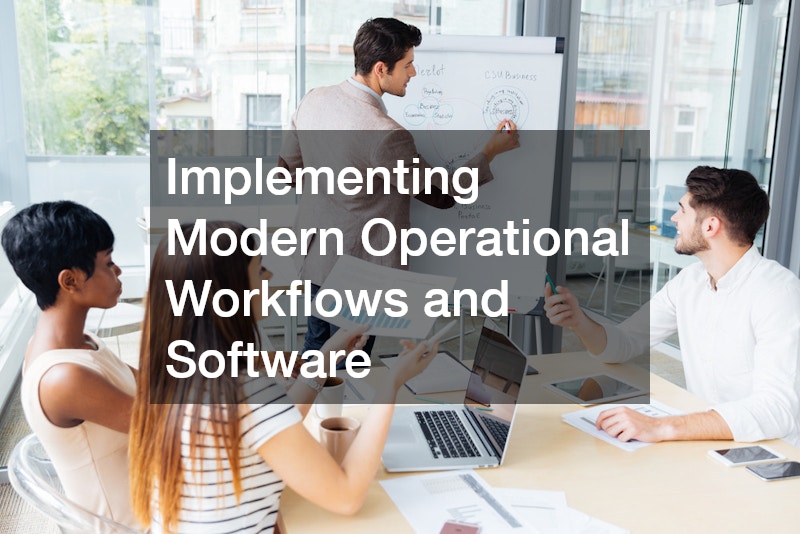
As operations expand, relying on manual processes becomes a major bottleneck for a service company. Modern software solutions streamline dispatching, project management, and client communication, allowing a small team to handle a large volume of requests. Automated scheduling systems ensure that technicians arrive on time, reducing fuel costs and optimizing daily routes. Digital invoicing platforms allow field workers to collect payments immediately upon job completion, accelerating the cash flow cycle. Integrating these frontend operational tools with back-office financial programs simplifies the daily task of bookkeeping for the administrative team. This digital cohesion ensures that every transaction is tracked automatically, minimizing human error and providing ownership with accurate real-time profitability metrics.
Clear communication extends beyond digital notifications; it also involves guiding clients seamlessly when they interact with the company’s physical locations. For example, when corporate accounts visit the main branch to discuss multi-site service contracts, clear directional indicators prevent confusion and project a high level of organization. Utilizing prominently placed custom signs around the facility ensures that clients can easily locate the reception area, corporate offices, and loading bays. This blend of seamless digital management and organized physical presentation creates a stellar customer experience that drives repeat business and builds long-term brand equity.
Scaling the Enterprise Through Workforce and Facility Expansion

Sustaining initial momentum requires a proactive approach to scaling both the internal workforce and the physical infrastructure. As customer demand climbs, hiring skilled professionals who fit the company culture becomes the main engine of growth. Investing in ongoing safety training and professional development keeps the team sharp and reduces expensive field errors. To maintain a strong public presence during this growth phase, providing new hires with professional attire remains essential. Continual coordination with a high-volume tshirt printing partner ensures that every new technician receives a full set of branded uniforms on their first day. A uniformly dressed workforce reinforces brand consistency and strengthens team identity across the entire region.
Simultaneously, an expanding operation places increased physical strain on the company headquarters and its surrounding infrastructure. High traffic from service vans, heavy delivery trucks, and employee vehicles can accelerate wear on outdoor areas. Neglecting these exterior zones can lead to structural decay and safety hazards that endanger staff and visitors. Incorporating regular parking lot maintenance into the annual corporate budget preserves the property’s asset value and keeps the exterior looking immaculate. Clean, freshly painted parking lines and smooth asphalt surfaces support efficient fleet movement and signal to the public that the business pays attention to quality in every facet of its operation.
Embracing the Future of the Trade Industry
Building a successful trade or service business from the ground up is a challenging yet profoundly rewarding endeavor. By focusing on financial precision, secure facility management, cohesive brand identity, and strong industry partnerships, entrepreneurs can build an enterprise that withstands economic fluctuations. True success is not achieved overnight; it is the result of daily discipline, operational consistency, and an unyielding commitment to service quality. As the business transitions from a vulnerable startup into an established local authority, the systems implemented during the launch phase will serve as the engine for long-term expansion. With a solid foundation firmly in place, the path forward is clear, prosperous, and built to last.