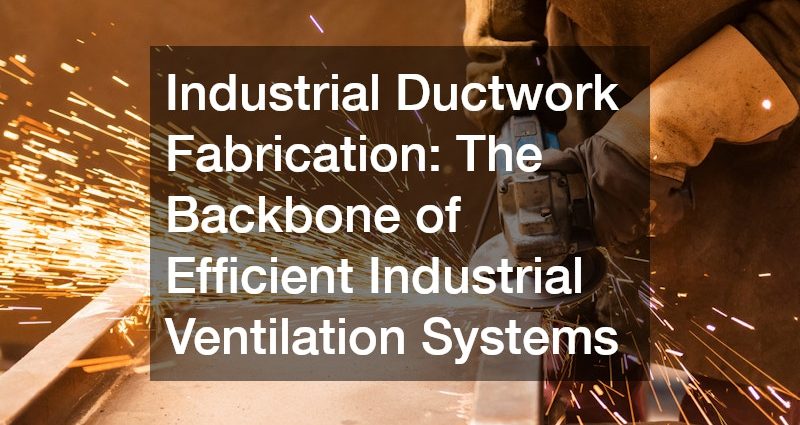

Industrial ductwork fabrication plays a key role in keeping industrial buildings safe, clean, and efficient. From factories to warehouses, many facilities depend on well-designed duct systems to move air, control temperature, and remove harmful fumes. Industrial ductwork fabrication involves designing, cutting, shaping, and assembling metal ducts that guide air through a building. When done correctly, it helps businesses maintain proper airflow, improve worker safety, and keep equipment running smoothly.
Many industries rely on strong ventilation systems. Manufacturing plants, food processing facilities, and chemical plants often produce dust, smoke, or heat during daily operations. Without proper duct systems, these byproducts can build up in the air and create dangerous conditions. That is why high-quality ductwork fabrication is so important for industrial environments.
What Is Industrial Ductwork Fabrication?
Industrial ductwork fabrication is the process of creating customized duct systems that move air through large buildings. These ducts are usually made from metals such as galvanized steel, stainless steel, or aluminum. Fabrication specialists design each duct section based on the building layout, airflow needs, and safety requirements.
The fabrication process usually includes several steps:
Designing the Duct System
Before any metal is cut, engineers or designers create detailed plans. These plans show where the ducts will run, how large they should be, and how they will connect to ventilation equipment. Good design ensures air flows smoothly through the entire system.
Cutting and Shaping the Metal
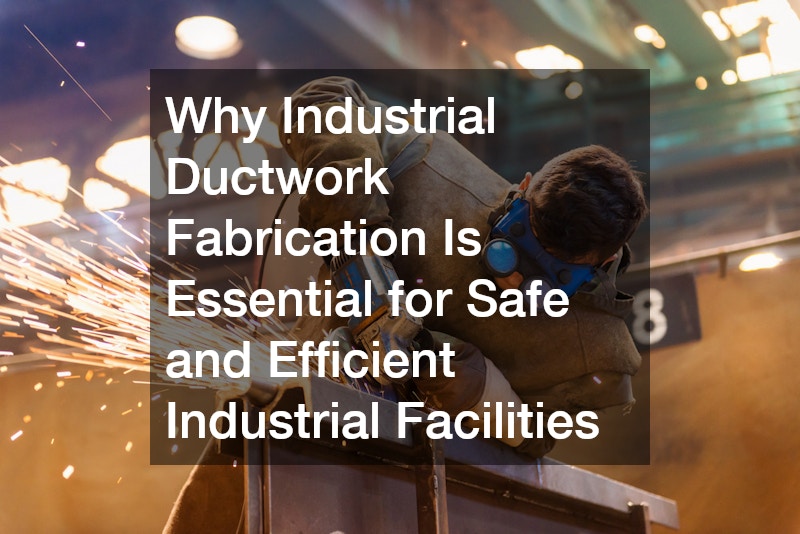
Once the design is ready, sheets of metal are cut and shaped into duct sections. Fabricators use specialized tools and machines to create precise bends and joints. Accuracy is very important because poorly fitted ducts can cause air leaks and reduce system efficiency.
Assembling and Welding
After shaping the metal, the duct sections are assembled and sealed. Some joints are welded while others are fastened with screws or rivets. Proper sealing prevents air leaks and keeps the system running efficiently.
Finishing and Quality Checks
The final step is inspecting the ducts to ensure they meet safety and performance standards. Many industrial systems must follow strict codes to ensure proper airflow and fire safety.
Why Industrial Facilities Need Custom Ductwork
Every industrial building is different. The layout, equipment, and production processes all affect how air needs to move through the space. Custom fabrication allows duct systems to be built specifically for each facility.
Improved Air Quality
Industrial environments often produce airborne particles, fumes, or chemical vapors. Proper duct systems remove these pollutants and keep the air cleaner for workers. This helps reduce health risks and creates a safer workplace.
Better Temperature Control
Large facilities generate heat from machines and processes. Industrial duct systems help move hot air out of the building while bringing in fresh air. This improves comfort and helps protect equipment from overheating.
Increased Energy Efficiency
Well-designed ducts help ventilation systems run more efficiently. Smooth airflow reduces strain on fans and HVAC equipment, which can lower energy costs over time. Even small improvements in airflow can lead to significant savings for large facilities.
Compliance With Safety Regulations
Many industries must follow strict safety rules regarding air quality and ventilation. Proper ductwork fabrication helps facilities meet these regulations and avoid costly fines or shutdowns.
Materials Used in Industrial Ductwork Fabrication
The type of material used in ductwork depends on the environment where it will be installed.
Galvanized Steel
Galvanized steel is one of the most common materials for ductwork. It is strong, durable, and resistant to corrosion. This makes it suitable for many general industrial applications.
Stainless Steel
Stainless steel is often used in facilities that deal with chemicals, moisture, or high temperatures. It resists rust and can handle more demanding conditions.
Aluminum
Aluminum ductwork is lighter than steel and naturally resistant to corrosion. It is often used in specialized ventilation systems where weight or moisture resistance is important.
Choosing the right material is an important part of the fabrication process. It ensures the duct system lasts longer and performs properly in the specific environment.
Modern Technology in Ductwork Fabrication
Technology has greatly improved the way duct systems are designed and manufactured. Today, many fabrication shops use computer-aided design (CAD) software and automated cutting machines. These tools help create more accurate duct components and reduce waste.
Laser cutting, plasma cutting, and automated forming machines allow fabricators to produce precise duct pieces quickly. This means faster project completion and better quality control. Modern technology also helps engineers test airflow designs before fabrication begins, reducing the risk of problems during installation.
Choosing the Right Ductwork Fabrication Partner
Selecting an experienced fabrication company is critical for any industrial project. A reliable partner will understand airflow requirements, building codes, and installation challenges.
When choosing a ductwork fabricator, businesses should look for:
- Experience with industrial ventilation systems
- Knowledge of safety and building regulations
- High-quality materials and fabrication methods
- Advanced design and manufacturing technology
- Strong communication and project planning
Working with skilled professionals helps ensure the duct system is built correctly and performs well for many years.
The Future of Industrial Ventilation Systems
As industries grow and technology evolves, ventilation systems are becoming more advanced. Many facilities are focusing on energy efficiency and improved indoor air quality. This means ductwork fabrication must also continue to improve.
New materials, smarter airflow designs, and advanced fabrication equipment are helping create better duct systems. These improvements allow businesses to reduce energy use while maintaining safe working environments.
In the end, industrial ductwork fabrication remains a vital part of modern industrial infrastructure. From removing hazardous fumes to improving airflow and energy efficiency, properly fabricated duct systems support safe and productive workplaces. Businesses that invest in high-quality industrial ductwork fabrication can improve safety, meet regulatory requirements, and keep their operations running smoothly for years to come.
© 2026 Small Business Tips - Sitemap