When people bring items into a pawn shop, one of the first questions they usually ask is how much their item is worth. Whether it is gold jewelry, a gaming console, power tools, or collectible electronics, a pawn shop carefully evaluates each item before making an offer. Understanding how this process works can help customers feel more confident and prepared before visiting a pawn shop.
A pawn shop uses several factors to determine value, including condition, market demand, authenticity, resale potential, and current market prices. Every item is assessed individually, which means two similar products may receive different offers depending on quality and condition.
Evaluating Jewelry Value
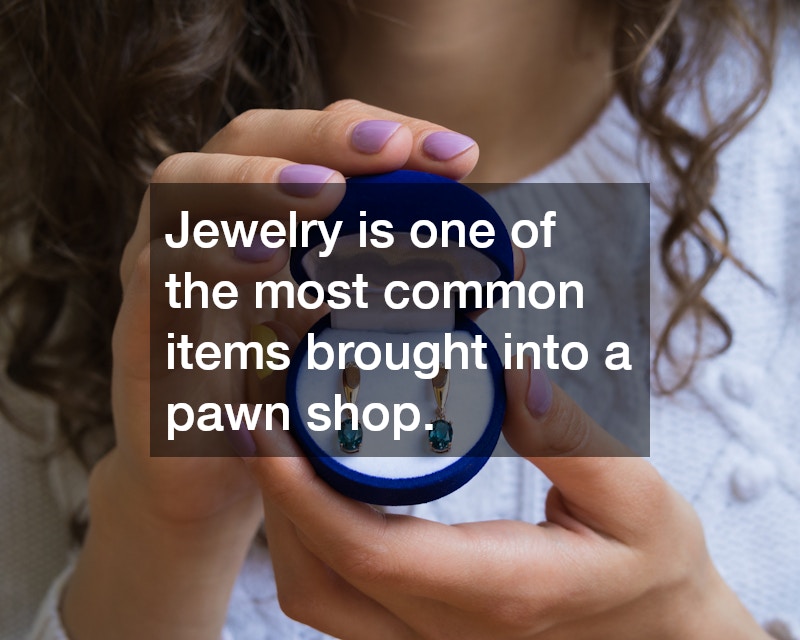
Jewelry is one of the most common items brought into a pawn shop. Gold chains, diamond rings, watches, bracelets, and vintage jewelry can all carry significant value. However, determining the worth of jewelry involves more than simply looking at its appearance.
Metal Type and Purity
One of the first things a pawn shop checks is the type of metal used in the jewelry. Gold, silver, and platinum each have different market values. The purity of precious metals also affects pricing. For example, 24-karat gold is more valuable than 10-karat gold because it contains a higher percentage of pure gold.
Most jewelry pieces have markings or stamps that indicate purity levels. A pawn shop may also perform additional testing to verify authenticity and metal content.
Gemstone Quality
Diamonds and other gemstones are evaluated based on size, clarity, color, and cut. A pawn shop carefully examines stones for visible flaws, brilliance, and overall condition. Larger, high-quality gemstones usually increase the value of a piece, while damaged or heavily worn stones may lower it.
Certified gemstones with official grading documents may also receive stronger offers because they provide verified quality information.
Brand and Designer Recognition
Luxury brands and designer jewelry often hold higher resale value. Watches and jewelry from well-known manufacturers can command better prices due to strong market demand. A pawn shop may research current resale trends to determine how desirable a specific brand or style is in the local market.
Determining the Value of Electronics
Electronics are another popular category at a pawn shop. Smartphones, laptops, gaming systems, tablets, cameras, and audio equipment are commonly evaluated. Unlike jewelry, electronics lose value more quickly because technology changes rapidly.
Overall Condition
Condition plays a major role in determining the value of electronics. A pawn shop typically checks for scratches, cracks, water damage, missing buttons, or other signs of wear. Devices that are clean and fully functional generally receive higher offers.
Accessories can also increase value. Original chargers, cases, controllers, packaging, and instruction manuals may make an item more appealing to future buyers.
Functionality Testing
A pawn shop tests electronics to confirm they work properly. Phones may be checked for screen responsiveness, battery performance, and software functionality. Gaming consoles are tested to ensure they power on and read discs correctly.
Items with technical problems may still have value, but repair costs are often factored into the final offer.
Market Demand and Age
Newer electronics typically have greater resale value than outdated devices. A pawn shop considers how popular the item currently is and whether customers are actively searching for it. High-demand gaming systems, premium laptops, and current smartphones usually generate stronger offers.
Older electronics that are no longer widely used may have limited value unless they are considered collectible or rare.
Assessing the Worth of Tools
Tools are frequently pawned because they tend to retain value well, especially professional-grade equipment. Contractors, mechanics, and homeowners often buy used tools from a pawn shop because they can save money compared to purchasing new equipment.
Brand Reputation
Trusted tool brands often receive higher valuations because buyers recognize their reliability and durability. Professional-grade tools from respected manufacturers generally hold their value longer than lower-cost alternatives.
A pawn shop considers how well a brand performs in the resale market and whether customers regularly seek it out.
Tool Condition and Wear
Condition is extremely important when valuing tools. Excessive rust, damaged cords, broken parts, or missing accessories can reduce value. Clean, well-maintained tools are more attractive to buyers and may receive stronger offers.
Power tools are usually tested to ensure they operate correctly. A pawn shop may inspect drills, saws, compressors, and generators for performance and safety concerns before making an offer.
Demand for Specific Equipment
Some tools are more valuable simply because they are in greater demand. Construction tools, automotive equipment, and specialized contractor tools often maintain strong resale value. Seasonal demand can also influence pricing. For example, landscaping equipment may be more desirable during warmer months.
How Market Trends Affect Pawn Shop Offers
A pawn shop constantly monitors market trends when evaluating items. Precious metal prices, consumer demand, and resale trends can all affect how much an item is worth.
For example, gold prices may rise or fall based on the global market. Electronics may lose value quickly when newer models are released. Certain tools may become harder to find, increasing their resale value.
Because of these changing conditions, offers can vary over time even for similar items.
Why Authenticity Matters
Authenticity is one of the most important factors in the valuation process. A pawn shop carefully checks items to ensure they are genuine and legally owned. Jewelry may be tested for real gold or diamonds, while electronics may be checked for counterfeit parts or tampering.
Authentic branded products typically receive much stronger offers than replicas or imitation items. Proof of purchase, serial numbers, and certificates can help support authenticity and improve confidence during the evaluation process.
Preparing Items Before Visiting a Pawn Shop
Customers can often improve their experience by preparing items ahead of time. Cleaning jewelry, charging electronics, and organizing tool accessories can help create a better first impression.
It is also helpful to bring any original packaging, receipts, certificates, or accessories. These items can increase resale appeal and potentially improve the offer amount.
Researching current market prices beforehand can also help customers understand what to expect during the evaluation process.
Understanding Pawn Shop Offers
A pawn shop bases its offer on both the item’s value and its resale potential. The shop must consider how quickly the item may sell, current demand, and the ability to make a profit after resale.
This means the offer amount is usually lower than the full retail value. However, many people choose a pawn shop because it provides quick transactions, flexible options, and immediate access to cash without lengthy approval processes.
Visit a Trusted Pawn Shop Today
Whether you are looking to pawn jewelry, sell electronics, or trade in professional tools, working with a reputable pawn shop can help you receive a fair and accurate evaluation. An experienced pawn shop understands how to assess market value, condition, and demand to provide competitive offers for a wide variety of items. Contact a trusted pawn shop today to learn more about the appraisal process and discover the value of your items.