
Key Takeaways
- Start every acquisition by pulling together financials, leases, and operating records so you can spot red flags before they become expensive surprises.
- Title defects show up more often than most buyers expect, which makes thorough title searches and proper insurance non-negotiable protections.
- Environmental assessments protect you from cleanup liabilities that can reach millions of dollars and derail an otherwise strong deal.
- Physical inspections should cover structure, roof, HVAC, plumbing, and electrical systems to build an accurate capital expense forecast.
- Zoning rules, local codes, and tenant lease terms shape what you can actually do with a property after closing.
- Market context matters as much as the building itself, since vacancy trends and comparable rents drive long-term returns.
- Assembling a trusted team of attorneys, inspectors, and lenders early prevents costly handoff gaps during the inspection window.
Why Buying Commercial Property Is Nothing Like Buying a House
Buying your first commercial property feels a lot like being handed the keys to a sports car when you’ve only ever driven a sedan. The basics look familiar. You still have a seller, a buyer, a price, and a closing date. But under the hood, almost everything is different. Leases replace mortgages as the primary income driver. Tenants replace occupants. Cap rates replace comps. And the risks hiding behind the walls can wipe out your returns if you don’t know where to look.
The good news is that commercial real estate rewards preparation more than instinct. Every experienced investor has a system for vetting properties, and that system is what separates the people who build portfolios from the people who get burned on their first deal. Even better, the market is heating up again. According to InvestNext, CBRE projects that U.S. commercial real estate investment activity will climb about 16% in 2026 to roughly $562 billion, which means more opportunities and more competition for quality assets.
This guide walks you through everything a first-time or early-stage investor needs to know before signing a purchase agreement. No jargon dumps, no assumptions about what you already know. Just a clear path from “I think I want to buy this building” to “I know exactly what I’m getting into.”
What Due Diligence Actually Means in Plain English
Due diligence is the period between signing a purchase contract and closing on the property. During this window, usually 30 to 90 days, you get to investigate the property with the seller’s cooperation. You can review documents, inspect systems, interview tenants, and walk away or renegotiate if you find something you don’t like.
Think of it as the engagement before the marriage. The contract says you’re serious, but you still have an escape hatch. Most purchase agreements include an earnest money deposit that you can recover if you back out during this period for legitimate reasons. Miss the deadline or waive your contingencies too early, and that money becomes non-refundable.
The purpose of this phase is simple: verify every claim the seller made in their marketing materials. Sellers will tell you the roof is five years old, the tenants are rock solid, and the NOI is $340,000. Your job is to prove it or disprove it before your money is locked in forever.
Pulling Together the Financial Picture
The first thing you want from the seller is a complete financial package. This is where you discover whether the property actually makes the money the broker’s flyer claimed. Expect to review at least three years of historical financials, current rent rolls, utility bills, tax records, and any capital expenditure history.
A rent roll is a spreadsheet that lists every tenant, their unit, their lease start and end dates, their rent, and any deposits held. Cross-check it against the actual leases. You’d be surprised how often they don’t match. A tenant might be paying a different rate than the rent roll shows, or their lease may have expired six months ago and converted to month-to-month without anyone updating the paperwork.
Here’s what your financial review should cover at a minimum:
- Trailing twelve-month profit and loss statements with monthly breakdowns
- Three years of audited or seller-prepared annual financials
- Current rent roll with tenant names, square footage, rent, and lease terms
- Tenant estoppel certificates confirming lease details directly from the tenants
- Property tax bills, insurance premiums, and utility records
- CAM (common area maintenance) reconciliations for the past two years
Every number you plug into your underwriting model should trace back to a source document. If a seller can’t produce the paperwork, assume the number is optimistic. Solid commercial real estate planning starts with trusting the data, and you can only trust what you can verify.
Digging Into Title and Legal Ownership

Title work sounds boring until it costs you a deal. A title search confirms that the seller actually owns what they’re selling and that no hidden claims will follow the property to you. Liens, easements, unpaid taxes, boundary disputes, and old mortgages all show up here.
This matters more than new investors realize. According to Peony, about 27% of commercial real estate transactions run into unexpected title issues based on data from ALTA. That’s roughly one in four deals. Some issues are minor and get cleaned up before closing. Others can kill the transaction entirely or force you to accept exceptions on your title insurance policy that leave you exposed later.
Your attorney should order a title commitment early in the due diligence period. Read through the exceptions carefully. Easements for utilities are normal. An easement that lets a neighbor drive across your parking lot every day is not. Make sure you understand every encumbrance on the property and get written explanations for anything ambiguous.
Why Title Insurance Is Worth Every Penny
Title insurance protects you from claims that surface after closing. If someone shows up two years later claiming they own a sliver of your parking lot, your title insurer defends you. Lender’s title insurance is almost always required. Owner’s title insurance is optional but almost always worth it. The premium is a one-time cost, and the coverage lasts as long as you own the property.
The Essential Items on a Due Diligence Checklist for Commercial Real Estate
At some point, you need a working document that tracks every task, deadline, and responsible party. A due diligence checklist for commercial real estate pulls together the financial, legal, physical, and operational reviews into one place so nothing slips through the cracks. Without it, items get missed, deadlines get blown, and small oversights compound into big problems.
Your checklist should assign each item to a specific person with a specific deadline. Your attorney handles title and contracts. Your inspector handles the physical property. Your lender handles the appraisal and loan documents. You handle oversight and decision-making. If no one owns a task, no one does it.
Build your checklist around these core categories:
- Financial verification (leases, rent rolls, operating statements)
- Legal review (title, survey, zoning, contracts)
- Physical inspection (structure, systems, environmental)
- Market analysis (comps, vacancy rates, demographics)
- Loan and insurance coordination
- Closing logistics and post-closing transition
Reuse and refine this checklist on every deal. By your third or fourth acquisition, you’ll have a document that reflects hard-won lessons and prevents you from making the same mistakes twice.
Looking Beneath the Surface for Environmental Risks
Environmental liability is one of the few areas where you can inherit someone else’s mess and be legally responsible for cleaning it up. Federal law holds current owners liable for contamination even if a prior owner caused it. That’s why every serious commercial purchase includes at least a Phase I Environmental Site Assessment.
A Phase I is a desktop and visual review. An environmental consultant pulls historical records, reviews aerial photos, checks regulatory databases, and walks the site. They’re looking for recognized environmental conditions, meaning signs that contamination may exist. Old gas stations, dry cleaners, auto repair shops, and industrial sites are classic red flags. So are stained concrete, unexplained drums, and underground storage tanks.
If the Phase I finds concerns, you move to Phase II, which involves actual soil and groundwater sampling. The costs climb quickly, and so do the stakes. According to AEI Consultants, cleanup costs for environmental contamination can run anywhere from $500,000 to $5 million depending on how bad the problem is. That kind of expense can turn a winning deal into a disaster overnight.
When to Walk Away From an Environmental Finding
Not every environmental issue kills a deal. Sometimes the seller agrees to remediate before closing or credit you at closing for projected cleanup costs. Sometimes you can purchase environmental insurance to cap your exposure. But if the contamination is severe, the source is unclear, or the regulatory agency is actively involved, walking away is often the smartest move. No deal is so good that it’s worth betting your net worth on a cleanup estimate.
Inspecting the Building Itself
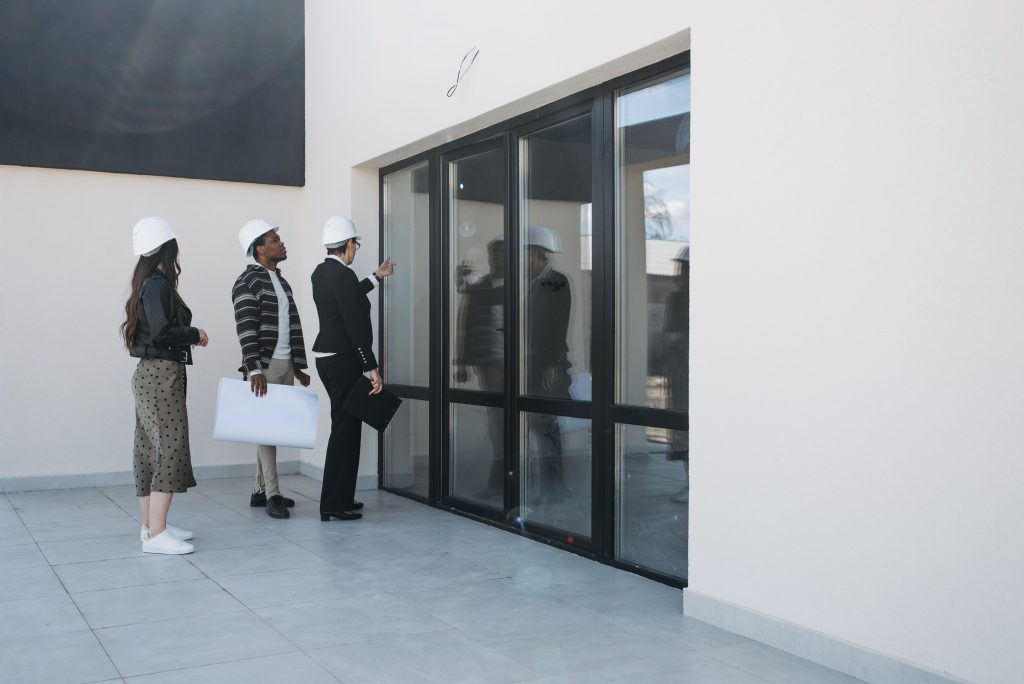
Once the paperwork checks out, you need to put eyes on the physical asset. Hire a qualified commercial property inspector, not a residential home inspector. Commercial buildings have different systems, different codes, and different failure modes. A good inspector will spend a full day or more on a mid-sized property.
The inspection report should cover the roof, structural elements, foundation, HVAC, plumbing, electrical, fire suppression, elevators, parking, and ADA compliance. Expect a photo-heavy document with specific recommendations and estimated remaining useful life for major components. This becomes the foundation of your capital expenditure budget for the next ten years.
Pay special attention to these high-cost items:
- Roof age, type, and condition (replacement can run $10 to $25 per square foot)
- HVAC equipment age and remaining service life
- Parking lot condition and drainage systems
- Electrical capacity and panel condition, especially in older buildings
- Plumbing materials, water heater age, and signs of leaks
- Structural cracks, settlement, or water intrusion in the foundation
- Fire alarm, sprinkler, and life safety system certifications
Walk the property yourself, too. No inspector catches everything, and nothing replaces standing in a tenant’s space and asking them how the building actually performs. Tenants will tell you things the seller never would, from recurring leaks to HVAC units that die every August. If you’re already thinking about upgrades, this is the moment to sketch out a rough scope for property acquisition and renovation, so your capital plan matches what the building actually needs.
Zoning, Codes, and What You Can Actually Do With the Property
A building’s current use tells you what it is today, not what it can become. Zoning dictates what’s legally allowed on the site. If you’re buying a retail center hoping to add a drive-thru restaurant, the zoning code may or may not let you. If you want to convert a warehouse into creative office space, the municipality may require a change of use permit, parking variances, and sprinkler upgrades.
Pull the current zoning designation from the city or county and read the actual text. Look at setbacks, height limits, parking ratios, permitted uses, and conditional uses. If your plans require any variance or rezoning, build that approval risk into your underwriting. Entitlement delays can add months or years to a project, and nothing kills returns like a building sitting empty while you wait on a hearing.
Also, check for outstanding code violations, open building permits, and certificate of occupancy status. A seller who never closed out a permit from a 2019 tenant improvement is handing you a problem. Municipalities don’t forget, and they won’t issue new permits until the old ones are resolved.
Reviewing Leases Line by Line
Leases are the real asset you’re buying. The building is just the container. Read every lease in full, not the summary. Look at base rent, escalations, renewal options, termination rights, exclusives, co-tenancy clauses, and who pays for what. A triple net lease where the tenant covers taxes, insurance, and maintenance is very different from a modified gross lease where you cover most operating expenses.
Pay close attention to any tenant with an early termination right, a kick-out clause tied to sales performance, or a co-tenancy provision that lets them leave if an anchor tenant vacates. These clauses can gut your income overnight. Also check for below-market rents that roll soon, since those are opportunities, and above-market rents that roll soon, since those are risks.
Reading the Market Around the Property
Even a well-maintained building in a shrinking market will underperform. Market analysis is what separates a tactical win from a strategic mistake. Pull vacancy rates, absorption trends, and rental comps for your submarket. Look at what’s under construction nearby, since new supply can soften rents for years.
Talk to local brokers who work the submarket every day. They know which corridors are growing, which tenants are hunting for space, and which landlords are quietly offering concessions. A thirty-minute phone call with an active leasing broker can reshape your entire view of a deal.
Consider these market factors before finalizing your offer:
- Submarket vacancy rate compared to the metro average
- Net absorption trends over the past three to five years
- New construction pipeline and projected deliveries
- Demographic shifts, employment growth, and major employer moves
- Traffic counts and accessibility for retail or mixed-use assets
- Comparable sale prices and cap rate trends for similar properties
If the submarket is softening, your rent assumptions need to reflect that. Pro formas built on optimistic growth that never materializes are the single most common reason first-time investors underperform.
Lining Up Financing and Insurance Early
Lenders have their own due diligence process, and it runs parallel to yours. The sooner you engage your lender, the sooner you’ll know whether the loan terms you assumed in your pro forma are actually available. Expect to provide the lender with your personal financial statement, the property’s financials, the purchase contract, and eventually the appraisal and environmental reports.
Appraisals in commercial real estate are more subjective than in residential deals. The appraiser considers income approach, sales comparison, and sometimes replacement cost. If the appraisal comes in low, your lender will reduce the loan amount, and you’ll need to bring more cash to close or renegotiate the price. Build that risk into your timeline.
Insurance is another parallel track. Get quotes early, especially in markets with hurricane, wildfire, or flood exposure. Premiums have risen sharply in recent years, and a quote that doubles your underwritten insurance expense can turn a marginal deal into a non-starter. Share the inspection report with your broker so they can quote accurately.
Building Your Team Before You Need Them
The acquisition window is too short to start interviewing professionals after you go under contract. Build your team before you even start touring properties. You want relationships in place, fees negotiated, and expectations aligned so the moment a contract is signed, everyone can move.
Your core team should include:
- A commercial real estate attorney who closes deals regularly in your market
- A commercial property inspector with experience in your asset class
- An environmental consultant for Phase I and Phase II assessments
- A commercial mortgage broker or direct lender relationship
- A commercial insurance broker who understands investment properties
- A CPA familiar with real estate tax strategy and cost segregation
- A property manager if you don’t plan to self-manage
Each of these professionals should understand that they’ll be working on tight deadlines inside the inspection window. Clarify response times and availability in advance. The worst time to discover your attorney is on vacation is day twenty-five of a thirty-day due diligence period.
Planning for the Transition After Closing
Due diligence doesn’t end at closing. It bleeds directly into the transition period, when you take over operations, meet tenants, and start executing your business plan. Prepare for this handoff during your inspection window, not after.
Request copies of all service contracts, vendor agreements, warranties, and operating manuals. Introduce yourself to tenants in writing before closing so they know who to contact. Set up new bank accounts, property management software, and utility transfers in advance. If the property has on-site staff, interview them and decide who stays.
For investors acquiring office buildings with incoming tenants or planning to relocate their own operations into the space, an office relocation planning guide can help you coordinate move-in logistics without disrupting existing occupants. The smoother your first ninety days of ownership feel to tenants, the more likely they are to renew when their leases come up.
Setting Up Your First 90-Day Operating Plan
Write down exactly what you plan to accomplish in your first three months as owner. Prioritize the items that protect income and reduce risk. Meet every major tenant in person. Walk the property with your property manager and build a punch list. Review every vendor contract and cancel the ones that aren’t earning their fees. Verify insurance coverage is in force and matches your lender’s requirements.
Small wins early build credibility with tenants and set the tone for how you’ll operate the asset. Deferred items you ignore in month one become emergencies in month six.
Common Mistakes First-Time Buyers Make
Most first-deal mistakes fall into a handful of predictable categories. Knowing them in advance is half the battle.
- Trusting the seller’s numbers without verifying against source documents
- Underestimating capital expenditures in the first three years of ownership
- Skipping or rushing the environmental assessment to save a few thousand dollars
- Missing deadlines inside the inspection window and losing earnest money
- Overlooking lease clauses that let key tenants leave early
- Assuming rent growth will solve mediocre underwriting
- Buying in a sub market they don’t actually understand
- Hiring residential professionals instead of commercial specialists
None of these mistakes are exotic. They happen on ordinary deals, to smart people, because the process moves fast and the paperwork is dense. A disciplined checklist and a seasoned team catch almost all of them before they become expensive.
Conclusion
Acquiring your first commercial property is one of the most consequential financial decisions you’ll ever make, and the quality of your due diligence determines whether it becomes a cornerstone of your portfolio or a cautionary tale you tell at dinner parties. The investors who build lasting wealth in this business share one habit: they treat every deal as guilty until proven innocent. They verify, they inspect, they question, and they walk away when the numbers don’t hold up.
The process can feel overwhelming the first time through. That’s normal. By your third or fourth acquisition, the rhythm becomes familiar, your team moves in sync, and your checklist starts catching issues before they reach your desk. The discipline you build now carries forward into every future deal, which is why experienced investors obsess over systems rather than individual transactions.
Take the time to do this right. Hire the professionals. Read the leases. Walk the roof. Ask the uncomfortable questions. The deals worth owning will survive your scrutiny, and the ones that don’t were never going to make you money anyway. Welcome to commercial real estate, where patience and preparation beat enthusiasm every single time.