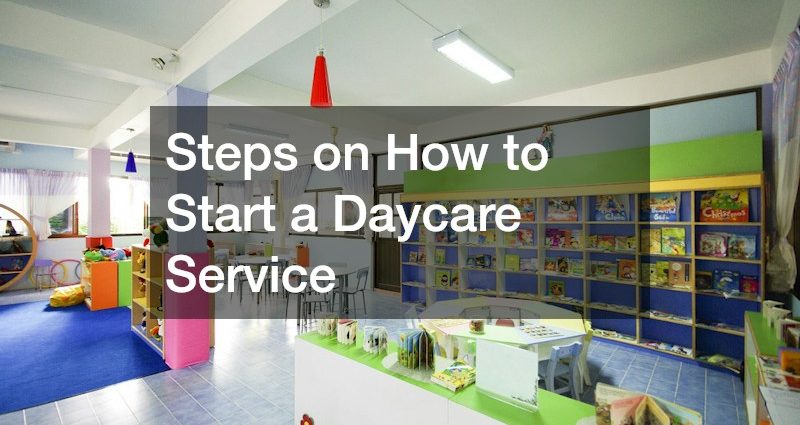

Starting a daycare service involves more than just providing a safe place for children. It is essential to understand the various needs of both the children and their parents to create a nurturing environment. This includes addressing health and safety regulations, creating a stimulating curriculum, and maintaining a clean, welcoming space.
The foundation of a successful daycare service lies in grasping the intricacies of early childhood development. Caregivers must be well-versed in the different stages of physical, emotional, and intellectual growth. This knowledge will help tailor activities that promote learning and social skills.
Additionally, comprehending the business aspects such as budgeting, marketing, and efficiency in operations is vital. Running a daycare service requires strategic planning to manage resources while ensuring quality care. By laying the groundwork in these areas, you set the stage for a successful entrepreneurial venture.
Research and Licensing Requirements
Before launching a daycare service, researching local and state regulations is crucial. Licensing requirements vary by location, and adherence is mandatory to operate legally. This process may include background checks, health and safety inspections, and obtaining specific certifications for caregivers.
Investigate the accreditation process if you aim to enhance your daycare’s reputation. Accreditation from respected bodies can reassure parents of your commitment to excellence. It involves a comprehensive evaluation of your curriculum, safety standards, and staff qualifications.
Understanding the legal obligations can protect your business from potential liabilities. Ensure that insurance policies cover accidents, injuries, and any unforeseen incidents. Proper research and compliance with regulations will build trust with clients and lay a solid foundation for your service.
Setting Up Your Daycare Facility
Choosing a suitable location for your daycare service is a critical step. The area must be safe, accessible, and designed to accommodate the lively nature of young children. Consider factors like proximity to residential neighborhoods, schools, and transport facilities to appeal to potential clients.
Once the space is secured, the focus shifts to designing an engaging environment. Classrooms should be vibrant, with age-appropriate toys and educational materials. Outdoor spaces should be safe and aesthetically pleasing, offering a balance between fun and secure playing conditions.
Furniture and facilities need to prioritize children’s safety and comfort. Ensure that all equipment complies with safety standards, reducing the risk of accidents. By creating an inspiring atmosphere, you encourage learning and make the daycare service a place children look forward to visiting.
Hiring and Training Staff
Your staff represents the heart of the daycare service; hence, hiring competent caregivers is paramount. This begins with a thorough recruitment process that identifies experience, qualifications, and genuine passion for working with children. Conduct interviews that assess candidates’ communication skills and attitudes.
Training programs are essential to prepare staff for the unique challenges of a daycare. Implement workshops that cover emergency procedures, conflict resolution, and early childhood education techniques. Regular training updates ensure that caregivers are equipped with the latest knowledge and practices.
Fostering a positive working environment can enhance team performance and retention. Encourage open communication and provide opportunities for professional growth. A motivated team can lead to higher-quality service and increased satisfaction for both parents and children.
Creating a Curriculum
Developing a diverse curriculum is key to a daycare service that prioritizes educational outcomes. The curriculum should encompass areas such as literacy, numeracy, creativity, and physical activity. It must cater to the different developmental stages and learning styles of children.
Engaging activities can stimulate intellectual curiosity and promote a love of learning. Incorporate storytelling, arts and crafts, and interactive games to make education fun. Outdoor activities are equally important for developing motor skills and fostering teamwork through group play.
Continually assess and update the curriculum to reflect current educational standards and societal changes. Seek feedback from parents and educators to enhance the learning experience. By focusing on a dynamic curriculum, you prepare children for future academic and social success.
Marketing Your Daycare Service
An effective marketing strategy is essential to attract and retain clients. Begin by crafting a brand image that reflects your daycare’s values and mission. This can be done through creating a professional website, social media presence, and informative brochures.
Host open house events and offer trial days to familiarize parents with your service. Word of mouth is powerful, so encourage satisfied clients to provide testimonials and referrals. Networking with local businesses and schools can also increase visibility in the community.
Use targeted advertising to highlight what sets your daycare apart, such as unique programs or highly qualified staff. Monitor marketing efforts and adjust strategies based on feedback and trends. Consistent marketing builds a strong client base and fuels business growth.