Opening a new commercial location marks a significant step forward for growing organizations. Beyond finding a suitable building and signing a lease agreement, establishing a functional corporate workspace requires steady coordination across multiple professional disciplines. Companies that complete this transition smoothly rarely rely on pure chance; instead, they depend on disciplined business planning right from the start. A structured launch roadmap outlines realistic operational timelines, establishes practical budget allocations, and identifies potential operational roadblocks long before contractors step through the front doors.
Early preparation involves analyzing physical space requirements based on current team size, expected hiring trends, and daily operational workflows. Leadership teams must evaluate how departments interact, how visitors navigate the building, and what specific infrastructure each team needs to perform efficiently. Budgeting should account not only for immediate capital expenses like interior buildouts and desk systems, but also for operational contingencies, permits, utility connections, and ongoing service agreements. When organizations rush this initial phase, they often encounter unexpected budget overruns, delayed opening dates, and friction between vendor teams.
Another essential component of early preparation involves establishing robust commercial coverage for the facility. Managing commercial real estate risks means protecting physical assets, employees, and financial resources against unforeseen events. Securing comprehensive insurance services safeguards the organization against liability claims, property damage, structural loss, and unexpected operational interruptions during construction and setup. Having appropriate policies active before equipment delivery or interior modifications begin ensures that the business remains fully protected throughout every stage of the physical move.
Securing the Perimeter and Establishing Exterior Visibility
Once the primary lease is signed and early spatial plans take shape, attention shifts to securing the physical boundary and establishing a visible presence in the local business community. The exterior of a commercial facility serves two critical purposes: it protects valuable internal assets and introduces the corporate brand to potential clients, partners, and job seekers passing by every day.
Controlling access to the property is one of the very first physical upgrades a business should address. Installing an automated security gate provides a reliable line of defense against unauthorized entry, vehicular intrusion, and property damage outside regular business hours. Modern access barriers integrate with keycards, mobile entry applications, or license plate recognition systems, allowing authorized staff and delivery drivers quick entry while keeping unauthorized vehicles off the premises. Securing perimeter points early in the launch timeline gives facility managers complete peace of mind, especially when expensive electronics, server racks, and office furniture begin arriving on site.
Along with physical security, outdoor branding demands immediate attention during the site preparation phase. Placing a high-quality business sign on the building facade or near the main roadway establishes market presence and helps visitors, delivery drivers, and job applicants locate the building without confusion. Outdoor signage should reflect brand guidelines, adhere to local municipal zoning codes, and feature clear lettering with durable, weather-resistant materials. A well-designed exterior sign acts as a constant marketing tool, signaling stability and professionalism to the surrounding area long before opening day arrives.
Upgrading Structural Elements and Interior Wall Finishes
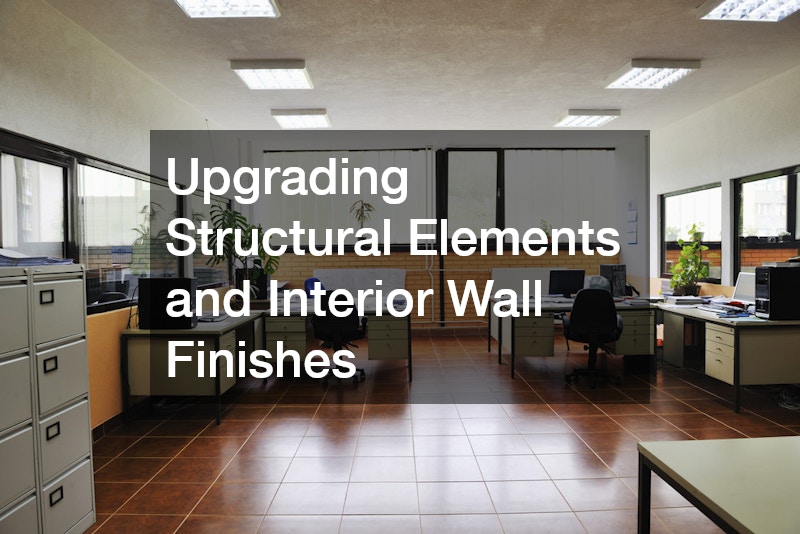
With the exterior perimeter fully secured and branded, focus moves directly to the physical building envelope and internal wall structures. Bringing a commercial facility up to modern operational standards often requires structural upgrades that improve energy efficiency, natural lighting, indoor air circulation, and overall workplace comfort.
Windows play a central role in regulating indoor temperature, reducing monthly utility costs, and shaping overall workplace comfort through natural light exposure. Hiring licensed window installers ensures that aging glass or drafty frames are replaced with energy-efficient commercial window units. Upgrading windows minimizes sound transmission from busy street traffic, reduces heating and cooling loads, and prevents UV damage to internal furnishings. Proper installation also prevents moisture infiltration, protecting drywall and flooring from hidden water damage over time.
Inside the building, wall surface finishes establish the tone, mood, and visual energy of the workspace. Fresh wall finishes transform dull, outdated commercial layouts into bright environments that motivate staff and impress visiting clients. Engaging professional specialists in interior commercial painting guarantees crisp lines, smooth coverage, and long-lasting durability across high-traffic hallways, conference rooms, break areas, and executive offices. Commercial paint crews know how to select low-VOC paints that preserve indoor air quality during setup and apply specialized coatings that withstand frequent scrubbing and daily wear without scuffing or fading.
Building a High-Performance Technological Framework
A visually appealing office space cannot function effectively without a dependable digital infrastructure underneath. Today’s commercial operations rely heavily on stable cloud connectivity, secure internal networks, audio-visual capabilities, and reliable hardware configurations. Planning the technological framework early prevents operational downtime and expensive layout disruptions later in the setup process.
Contracting with an experienced IT support service provider helps businesses design, deploy, and test their complete technical ecosystem before employees begin daily work. Tech specialists handle crucial tasks like installing network cabling, setting up wireless access points, configuring firewalls, establishing data backup protocols, and securing company endpoints. Having dedicated technical experts manage network architecture ensures reliable bandwidth, protects corporate data against cyber threats, and gives staff immediate technical assistance if software or hardware issues arise during launch week.
Alongside network infrastructure, individual workstations need physical equipment tailored to specific departmental roles. Equipping employees with custom monitor solutions enhances productivity, ergonomics, and daily job satisfaction across all departments. Software developers, graphic designers, financial analysts, and administrative personnel each have unique visual workflow demands, ranging from wide display screens to multi-monitor arrangements mounted on adjustable arms. Outfitting desks with specialized display configurations reduces eye strain, improves multitasking efficiency, and reflects a strong corporate commitment to employee well-being and daily operational performance.
Implementing Facility Care and Health Standards
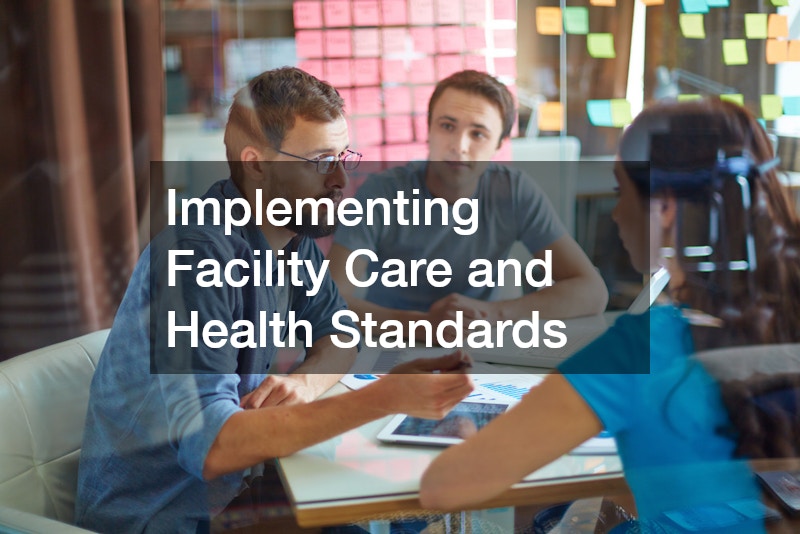
Construction, painting, and furniture assembly inevitably create heavy dust, drywall debris, and surface residues throughout a commercial facility. Before staff members unpack their supplies or welcome their first client into the building, the entire workspace must undergo thorough cleaning to ensure a healthy, hygienic environment.
Scheduling a deep office cleaning session removes lingering drywall dust, paint over-spray, packing materials, and surface residues left behind by tradespeople. Specialized cleaning crews focus on sanitizing high-touch surfaces, vacuuming carpet fibers, scrubbing restroom tiles, and polishing hard flooring throughout the entire building. Thorough pre-launch cleaning creates a fresh environment, improves indoor air quality, and prepares every square foot of the office for immediate occupancy.
While deep cleaning prepares the facility for opening day, maintaining clean conditions over time requires a reliable routine schedule. Partnering with a professional janitorial service provider establishes structured daily or weekly maintenance routines. Professional cleaners manage routine trash removal, restroom sanitation, breakroom cleaning, floor care, and supply replenishment. Consistent facility maintenance prevents the buildup of dust and bacteria, protects flooring investments, and maintains a clean environment that projects professionalism to everyone who enters the building.
Optimizing Workstation Ergonomics and Technical Infrastructure
Once primary systems are active, fine-tuning individual workstations ensures that day-to-day operations run smoothly. Modern desk setups must balance ergonomic support, cable management, and functional hardware to keep employees comfortable and productive throughout the work week.
Implementing tailored display hardware through specialized custom monitor solutions allows teams to work seamlessly across complex applications. Positioned at eye level with adjustable mounting arms, multi-display arrangements prevent neck strain and reduce physical fatigue during long working hours. Proper hardware positioning increases focus during detailed tasks, such as reviewing complex financial spreadsheets, editing high-resolution media, or managing software code. Tailoring hardware setups to match employee roles demonstrates thoughtful workplace planning and optimizes productivity from day one.
To support these advanced hardware setups, having continuous assistance from a qualified IT support service team is essential. Technical support personnel ensure all workstation displays, docking stations, network printers, and phones communicate effectively across internal networks. Remote or on-site support engineers troubleshoot hardware incompatibilities, manage software update schedules, and maintain robust network security. Having dedicated technology professionals available during the launch phase minimizes setup errors and keeps operations running smoothly without costly technical delays.
Elevating Interior Branding and Visual Harmony

Visual identity plays an essential role in defining corporate culture and creating a lasting impression on visiting clients. Transforming blank walls into a cohesive brand experience requires coordinating interior wall finishes with well-placed branded signage across key focal points in the facility.
Mounting a secondary business sign inside the reception area or main lobby reinforces brand identity the moment visitors step through the front doors. Interior signs often feature dimensional lettering, subtle lighting, or brushed metal finishes that reflect company values and professionalism. Placing high-impact signage behind reception desks or inside primary conference rooms creates memorable backdrops for client meetings, video conferences, and corporate photography.
Complementing interior signage with professional interior commercial painting establishes a cohesive environment throughout the facility. Painting contractors can apply brand accent colors along feature walls, define functional zones using distinct color palettes, or apply durable finishes in focus areas to minimize visual distractions. Choosing cohesive paint colors across hallways, executive offices, and breakrooms unifies the overall visual design, creating an inviting workplace that employees feel proud to inhabit each day.
Maintaining Property Integrity and Access Protection
Protecting a commercial facility requires ongoing physical maintenance and periodic asset reviews. Over time, structural upgrades made during the initial buildout continue to deliver energy savings, physical security, and asset protection when properly managed.
Working with expert window installers during initial renovations helps prevent long-term building degradation. Professionally fitted window frames create tight weather seals, preventing air leaks, window condensation, and water intrusion during severe weather events. Choosing high-performance glass units with heat-reflecting coatings reduces interior thermal build-up during hot summer months, keeping utility bills manageable and preserving indoor comfort levels year-round. Regular inspection of window seals ensures long-term operational efficiency and protects physical structures.
Complementing energy-efficient windows with a durable perimeter security gate provides continuous protection against unauthorized access and vehicle traffic. Modern gate systems offer multi-layered security controls, including automated timer closings, intercom connectivity, and remote management software. Facility directors can monitor perimeter activity in real time, restrict after-hours entry to authorized personnel, and maintain clear records of vehicle movement across the property. Maintaining robust physical barriers safeguards valuable corporate inventory, data infrastructure, and personnel.
Establishing Ongoing Sanitation and Maintenance Protocols

Launching a new commercial facility is not a single event, but an ongoing operational commitment. Maintaining clean, safe, and healthy physical workspaces requires consistent attention, organized scheduling, and reliable service partnerships long after opening day festivities conclude.
Establishing a structured office cleaning schedule helps facilities maintain peak appearance and sanitary standards across all departments. Daily routine cleaning removes dust, dirt, and surface bacteria before they accumulate, preserving carpet fibers, furniture fabrics, and work surfaces. Routine sanitation of common areas, kitchenettes, and high-touch door handles reduces sick leave, creates a healthier workspace, and keeps the environment welcoming for prospective clients and partners.
Relying on a professional janitorial service team ensures that detailed maintenance checklists are executed consistently over time. Commercial janitorial crews possess specialized equipment, effective cleaning products, and trained personnel capable of handling heavy floor stripping, tile polishing, window washing, and waste recycling programs. Outsourcing facility sanitation allows internal management to focus on core business objectives, confident that physical operations remain clean, organized, and compliant with health guidelines.
Conducting Final Operational Audits and Risk Reviews
A successful commercial launch requires balancing immediate logistics with long-term operational strategy. Once the office doors officially open and daily workflows settle into place, leadership teams should evaluate launch outcomes, review budget performance, and refine ongoing operational frameworks.
Periodically updating comprehensive business planning documents ensures that physical facilities align with changing market conditions and organizational growth targets. Business leaders should regularly review operational budgets, space utilization metrics, and future expansion possibilities to avoid space shortages or operational bottlenecks down the road. Treating facility planning as a continuous process rather than a static event allows companies to adapt quickly to changing workforce needs, remote work models, and technological advancements.
Finally, maintaining open communication with providers of insurance services ensures that corporate coverage scales alongside business growth. As companies purchase additional computer hardware, upgrade facilities, or expand headcount, policy limits should be adjusted to reflect increased operational value and liability exposure. Periodic coverage reviews protect physical real estate investments, safeguard high-value assets, and provide financial peace of mind as the business flourishes in its new commercial location.