

Homeownership often feels like a never-ending cycle of weekend projects and unexpected expenses. It is entirely normal to feel overwhelmed by the sheer scale of maintaining a property. Most homeowners naturally gravitate toward interior renovations—upgrading kitchens, painting living rooms, or remodeling bathrooms. These projects offer immediate, visible satisfaction and directly impact your daily comfort. However, while a new backsplash is lovely to look at, it is the exterior envelope of your house that actually protects the home’s value, structural integrity, and the safety of everything inside it.
When it comes to property degradation, gravity is the ultimate dictator. A single, seemingly minor point of failure at the very top of a house can cause a cascading waterfall of expensive issues all the way down to the basement. A small leak can rot wooden rafters, ruin attic insulation, travel down interior wall cavities, short out electrical wiring, and eventually encourage toxic mold growth just above your foundation. The damage multiplies the further down it travels.
This is why adopting a top-down maintenance philosophy is the most effective, financially sound approach to home care. By systematically evaluating and repairing your home from its highest peak down to the soil line, you catch vulnerabilities before gravity turns them into disasters. This method removes the guesswork from seasonal chores, helps you prioritize your home improvement budget, and keeps your property secure against the elements. This guide will walk you through exactly how to execute a comprehensive top-down strategy.

Inspect and Reinforce Your Home’s Highest Point
The structural skeleton and the outermost protective layer of your home take the absolute brunt of severe weather. From baking ultraviolet rays in the summer to crushing snow loads in the winter, the peak of your house is under constant environmental assault. Assessing the very top of the house involves looking at both the internal foundational stability and the immediate surface vulnerabilities.
Check the Framework for Sagging and Moisture Damage
Before you ever set foot on a ladder to look at the outside, your inspection should begin inside the attic. The attic reveals the true health of your upper envelope.
-
Look for Daylight: On a bright, sunny day, turn off the attic lights and let your eyes adjust to the darkness. Look up at the decking (the wood boards that make up the underside of your ceiling). If you see any pinpricks of daylight shining through, you have an active vulnerability where water and pests can enter.
-
Inspect the Insulation: Check the insulation laid between your floor joists. If it appears compressed, discolored, or feels damp to the touch, moisture is entering the space. Wet insulation loses its thermal resistance and acts as a sponge, holding moisture against your drywall and wood framing.
-
Evaluate the Wood Framing: Look closely at the wooden rafters and decking. Dark water stains, white powdery mildew, or black mold are immediate red flags. More importantly, check for any bowing or sagging in the wood.
If the underlying wooden framework is compromised, cracked, or sagging under the historical weight of heavy snow loads or chronic water intrusion, hiring professional roof truss services is necessary to restore the structural integrity before the entire system fails. A compromised frame cannot safely support the weight of the exterior materials, making surface repairs useless until the skeleton is fixed.
Replace Missing or Curled Shingles Immediately
Once the interior framework is cleared, it is time to evaluate the exterior surface. High winds, hail, and relentless UV exposure inevitably degrade materials over time.
-
Granule Loss: Asphalt shingles are coated in tiny, sand-like granules that protect the asphalt coating from UV rays and provide fire resistance. If you notice large bald spots on your shingles, or find excessive amounts of these granules washing out of your drainage channels, the material is rapidly deteriorating.
-
Curling and Blistering: When shingles reach the end of their functional life, or if your attic is poorly ventilated and baking them from underneath, the edges will begin to curl upward or cup downward. You may also notice raised blisters on the surface, which easily pop and leave the matting exposed.
-
Missing Materials: High winds can easily catch the lip of a curled shingle and tear it off completely, leaving the fragile underlayment directly exposed to the next rainstorm.
Do not wait for a brown water stain to appear on your living room ceiling before taking action. Scheduling prompt roof repair for a few loose or damaged sections is a relatively minor expense that prevents catastrophic interior water damage and structural rot. Addressing these small surface wounds quickly is the essence of proactive, top-down maintenance.

Plan for Complete Top-Level Upgrades Before Leaks Start
Every building material has a maximum lifespan. Transitioning from patching temporary problems to executing a full, property-wide replacement is a major step. It requires careful financial planning, an understanding of modern materials, and the ability to distinguish reliable contractors from subpar laborers.
Assess the Age and Material of Your Current Coverage
Knowing the age and material composition of your current system dictates your maintenance timeline. If you purchased an older home, you might have inherited a system that is already living on borrowed time.
-
Asphalt Shingles: The most common residential material, traditional three-tab asphalt typically lasts 15 to 20 years, while architectural asphalt can push 25 to 30 years under ideal conditions.
-
Metal Panels: Standing seam metal is highly durable, often lasting 40 to 70 years. It sheds snow easily and reflects solar heat, making it energy efficient.
-
Wood Shakes and Slate: Cedar shakes offer a beautiful rustic look but require significant maintenance to prevent moss and rot, lasting roughly 30 years. Natural slate is incredibly heavy and expensive but can last over a century.
If your asphalt system is approaching its twentieth birthday, or if you are patching new leaks every single season, it is time to plan for a replacement. Budgeting for a local roof installation in the off-season or well before an active leak forces your hand gives you the luxury of choice. You can research materials, save funds, and avoid the inflated emergency pricing that often accompanies storm season.
Vet Professionals Thoroughly Before Signing Contracts
A full replacement is a massive construction project that involves tearing off thousands of pounds of old material and exposing your home entirely to the elements for several days. Hiring the wrong crew can result in property damage, code violations, and voided manufacturer warranties.
-
Verify Licensing and Insurance: Never take a contractor’s word that they are insured. Request physical copies of their General Liability insurance and Workers’ Compensation insurance. If a worker is injured on your property and the company lacks Workers’ Compensation, you could be held personally liable.
-
Check Manufacturer Certifications: The best materials in the world will fail if installed incorrectly. Look for contractors who hold specific certifications from the manufacturers of the materials they install. This often allows them to offer extended, backed warranties that cover both materials and workmanship.
-
Ask for Local References: Request a list of addresses in your immediate area where the company has completed similar work in the last year. Drive by these homes to see how the work is holding up.
It is crucial to choose a reputable residential roofing contractor who specializes in occupied homes. Operating on a house where a family currently lives requires a higher standard of care than new construction. They must prioritize protecting your surrounding landscaping, covering your driveway to prevent oil stains from dumpsters, and meticulously cleaning up hazardous nails and staples at the end of every single workday.

Schedule Bi-Annual Inspections for Early Detection
Consistent, preventative maintenance is always vastly cheaper than reactive emergency fixes. A major component of the top-down strategy is establishing a routine rhythm of inspections. By evaluating your exterior at the transition of the major seasons—specifically late fall and early spring—you can catch small changes before they compound.
Clear Debris from Valleys and Flashing Intersections
The most vulnerable parts of your upper exterior are the areas where two different planes meet, or where an object like a chimney or skylight penetrates the surface. These intersections rely on metal flashing to bridge the gap and keep water out.
-
The Danger of Valleys: The “valleys” are the V-shaped intersections where two sloping sections meet. They handle massive volumes of rushing water during a storm. If leaves, pine needles, and twigs accumulate in these valleys, they create miniature dams.
-
Capillary Action: When organic debris sits in a valley or piles up behind a chimney, it traps moisture. Through a process called capillary action, this trapped water can actually travel upward, defying gravity, working its way underneath the shingles and rotting the wood decking below.
-
Flashing Checks: The metal flashing around plumbing vents, skylights, and chimneys can rust, or the caulk and tar sealing them can crack and dry out under intense UV exposure.
Many homeowners lack the proper safety harnesses, sturdy ladders, or the physical balance required to safely navigate a high incline. Because of the extreme danger of fall injuries, utilizing professional roofing services annually to safely clear these valleys, inspect the flashing, and re-caulk vulnerable penetrations is a very smart, low-cost investment in your property’s longevity.
Build a Relationship with a Neighborhood Professional
When severe weather strikes—be it a massive hail storm, a hurricane, or a freak blizzard—demand for exterior repairs skyrockets overnight. In these chaotic aftermaths, homeowners are often desperate and vulnerable to scams.
-
The Threat of Storm Chasers: After a major weather event, out-of-state crews often flood the impacted area. These “storm chasers” frequently offer aggressively low prices, demand large cash deposits upfront, use substandard materials, and perform rushed labor. Once they leave the state, any warranties they promised are completely worthless, and they are impossible to track down if their work fails.
-
Regional Expertise: A professional who lives and works in your area understands the specific environmental threats your home faces. A contractor in the humid Southeast knows how to mitigate algae growth, while a contractor in the freezing Northeast knows how to install proper ice and water shields to prevent winter ice damming.
By taking the time to thoroughly research and build a relationship with an established local roofing contractor during calm weather, you guarantee that you have a trusted, accountable partner to call when an emergency actually happens. They rely on their community reputation to stay in business, meaning they are far more likely to honor warranties and answer the phone long after the job is done.
Direct Rainfall Away from Your Foundation
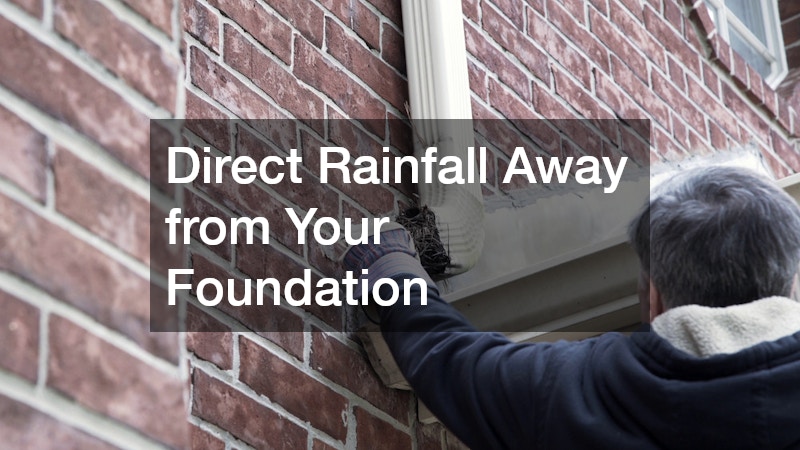
Once water safely navigates down the upper slopes of your home, it reaches a critical transfer point. The next phase of top-down maintenance is ensuring that this massive volume of water is carefully and deliberately guided away from the house. If water simply cascades off the edges, it will dig trenches around your foundation, splash mud and moisture back onto your siding, and eventually flood your basement.
Clean and Pitch Your Drainage Channels Every Fall and Spring
Your horizontal drainage channels are the unsung heroes of your home’s exterior. During a heavy rainstorm, thousands of gallons of water hit your house, and these narrow troughs are responsible for catching and redirecting all of it.
-
The Cleaning Process: At least twice a year—after the leaves fall in autumn and after the spring pollen and seed pods drop—these channels must be scooped completely clean. Decaying organic matter breaks down into a heavy, wet sludge that clogs the system and causes water to back up under the eaves.
-
Testing for Blockages: After scooping out the debris, run a garden hose at full pressure into the channels. Watch the water flow toward the downspouts. If the water backs up, you likely have a clog hidden inside the vertical downspout pipe that needs to be cleared with a plumber’s snake.
-
Checking the Pitch: Horizontal channels are not actually perfectly level; they must have a slight downward slope (the pitch) directing the water toward the downspouts. If the weight of ice or debris has bent the hangers, the water will pool in the center of the channel and eventually overflow.
If your existing sectional channels are constantly pulling away from the fascia board, rusting through at the seams, or require endless re-pitching, it is time for an upgrade. Calling a specialized gutter contractor to custom-fabricate and install seamless aluminum channels directly on-site provides a permanent, leak-resistant solution that drastically improves water management.
Verify Your Drip Edge Works in Tandem with the Drainage
There is a vital, often-overlooked component that acts as the bridge between your shingles and your drainage channels: the drip edge. This is an L-shaped strip of non-corrosive metal flashing installed along the very edge of the roofline.
-
Preventing Fascia Rot: Without a drip edge, water doesn’t just fall straight down into the channels. Due to surface tension, water tends to curl backward under the edge of the shingles, running down the wooden fascia board and soaking into the soffits. This causes chronic wood rot hidden just out of sight.
-
Pest Deterrence: A properly installed drip edge also seals the small gap between the decking and the fascia, preventing insects, mice, and small birds from finding a dry place to nest in your eaves.
When evaluating your water management system, this transition point is crucial. Any comprehensive roofing company conducting an inspection or replacement should automatically evaluate, recommend, and replace this edge flashing. It is the critical hand-off point that ensures water drops safely into the channels rather than clinging to the architecture of your home.
Seal the Vertical Envelope Against Wind and Moisture
The final half of the top-down strategy involves the vertical walls and the very base of the home. You have successfully managed the structural integrity of the peak and controlled the flow of rainwater. Now, you must ensure that wind-driven rain, ambient humidity, and groundwater cannot breach the lower levels.
Wash and Inspect Exterior Panels for Cracks and Fading
The cladding on your home—whether it is vinyl, wood, brick, or fiber cement—serves as the skin of the house. It provides insulation, curb appeal, and a barrier against the elements. Like any skin, it needs to be kept clean and inspected for wounds.
-
Safe Cleaning Methods: Dirt, algae, and mildew naturally accumulate on exterior walls. However, blasting these surfaces with high-pressure water can cause severe damage. High pressure can force water up and under vinyl panels, strip the protective glaze off brick, and severely gouge wood. Instead, use a “soft wash” approach, utilizing specialized cleaning solutions and low-pressure rinsing to safely dissolve organic growth.
-
Checking for Breaches: Walk the perimeter of your home and look for physical damage. Check for cracked vinyl panels, rotting wood trim near the ground, crumbling mortar joints between bricks, or areas where the caulking around windows and doors has dried out and pulled away.
-
Pest Intrusion: Look for tiny holes in wood that might indicate carpenter bees or termites, and ensure that all dryer vents and exhaust pipes have secure, intact covers to keep rodents out.
If you discover that your exterior cladding is severely warped, chronically rotting, or has been heavily battered by a recent hail storm, patching it may no longer be viable. Hiring a dedicated siding contractor allows you to completely replace the damaged panels and, crucially, upgrade the underlying moisture barrier (house wrap) to drastically improve your home’s energy efficiency and draft resistance.
Grade the Soil and Seal Basement Walls
The final step in top-down maintenance brings us to the ground floor. No matter how perfectly your upper systems function, if the earth around your home traps water against your foundation, you will eventually face structural failure and interior flooding.
-
Positive Grading: The soil immediately surrounding your foundation must slope away from the house. A general rule of thumb is a drop of at least six inches for the first ten feet away from the foundation walls. If the soil has settled over time and is now sloping toward the house, rainwater will pool against the concrete, creating immense hydrostatic pressure.
-
Managing Downspout Runoff: Ensure that your vertical downspouts do not simply dump water at the base of the wall. Use downspout extensions or splash blocks to carry the water at least four to six feet away from the foundation before releasing it into the yard.
-
Checking the Interior: Go down into your basement or crawlspace and inspect the concrete walls. Look for a white, powdery substance called efflorescence. This is the mineral residue left behind when groundwater slowly seeps through the porous concrete and evaporates on the inside.
If you notice persistent musty odors, damp spots on the concrete, or actual puddles forming after a heavy rainstorm, surface fixes are no longer enough. This level of intrusion requires professional waterproofing services. These experts can excavate the exterior to apply heavy-duty rubberized membranes, install subterranean French drains, and set up interior sump pump systems, finalizing your home’s total defense against water from the top down.
Maintaining a home is an ongoing responsibility, but it does not have to be a constant source of anxiety. By viewing your exterior not as a collection of separate parts, but as an interconnected ecosystem, you can manage it efficiently. Remember that a failure at the peak inevitably becomes a disaster at the foundation if ignored.
Empower yourself to take control of your property’s health. Set recurring calendar reminders for your late spring and late fall inspections. Keep a dedicated notebook to track the age of your materials, the dates of your cleanings, and the contact information for the vetted professionals you trust. By addressing small vulnerabilities proactively, you secure your home’s financial value, maintain its structural integrity, and buy yourself years of peace of mind.