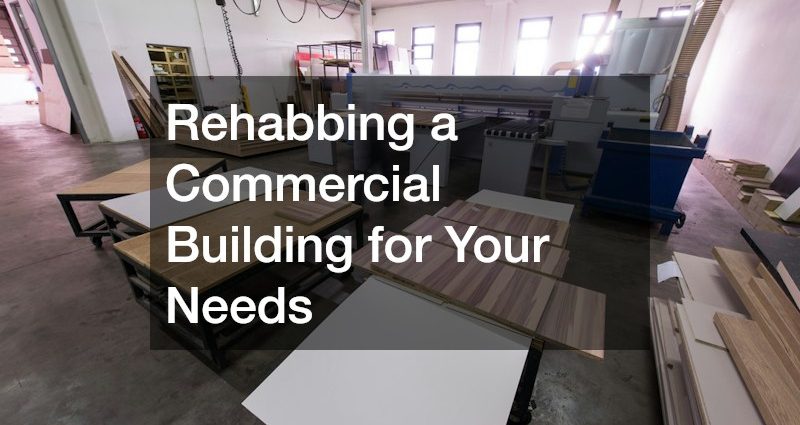

Rehabbing a commercial building can be an effective way to transform an existing property into a space that better supports a company’s operations, employees, customers, and long-term goals. Whether the building will become a retail location, office, warehouse, restaurant, medical facility, or another type of commercial space, rehabilitation often involves much more than cosmetic improvements. Electrical systems, roofing, flooring, security, exterior surfaces, and backup power may all require attention.
A successful rehabilitation project begins with a clear understanding of the building’s current condition and the needs of the future occupants. Business owners should evaluate infrastructure before investing heavily in finishes and aesthetics. By planning improvements in the proper order and working with qualified professionals, property owners can create a safer, more functional, and more attractive commercial environment.
What Role Do Commercial Generators Play in Building Rehab?
Importance of Backup Power
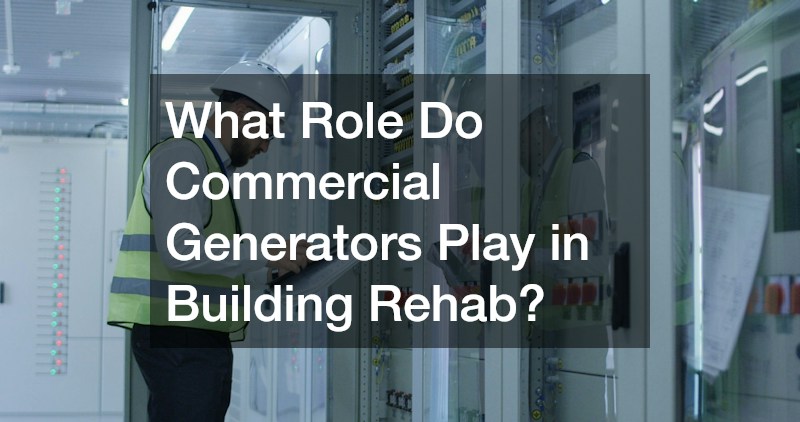
Reliable electricity is essential for most modern businesses. During a commercial building rehabilitation, commercial generators may provide backup power for critical systems when utility service is interrupted. Depending on the property, backup power may support emergency lighting, security systems, refrigeration equipment, computers, communications, or other important operations.
Power outages can create financial losses and operational disruptions. Planning for backup power during rehabilitation may be easier and more efficient than attempting to add a generator after other improvements are complete.
Types of Commercial Generators
Commercial generators are available in different sizes and fuel configurations. Diesel, natural gas, and propane systems may be appropriate depending on the building’s location, energy requirements, and available infrastructure. Some systems provide emergency power for a limited number of essential circuits, while others are designed to support larger portions of a facility.
The appropriate choice depends on the building’s intended use and the equipment that must continue operating during an outage.
Installation Considerations
Generator installation requires careful planning. Contractors must consider the location of the equipment, ventilation, fuel supply, noise, electrical connections, and applicable regulations. The generator must also be connected properly to prevent electricity from feeding back into utility lines.
Installation should be coordinated with other rehabilitation work so that electrical infrastructure, equipment pads, and necessary connections can be incorporated into the project.
Maintenance and Safety Measures
Backup power equipment requires ongoing maintenance. Regular inspections, testing, fluid checks, and component replacement can help identify problems before an emergency occurs. A generator that has not been maintained may fail when it is needed most.
Safety procedures are also important. Fuel systems, exhaust components, and electrical connections should be inspected and maintained according to manufacturer recommendations and applicable requirements.
Selecting the Right Size and Capacity
A generator should be sized according to the building’s anticipated electrical load. Oversizing equipment can increase costs unnecessarily, while undersizing may prevent important systems from operating properly.
A professional evaluation of the facility’s electrical requirements can help determine which systems require backup power and how much capacity is necessary.
How Do Commercial Painting Companies Enhance Building Aesthetics?
Choosing the Right Paint for Exteriors
Exterior paint affects both appearance and protection. Commercial painting companies can help property owners select coatings designed for the building’s exterior materials and environmental conditions. Weather exposure, moisture, sunlight, and temperature changes can all influence paint performance.
Proper surface preparation is equally important. Cleaning, repairing damaged areas, and preparing existing surfaces can improve adhesion and help new coatings last longer.
Interior Paint Options and Trends
Interior paint can influence how employees and customers experience a commercial space. Neutral colors may create a professional appearance, while stronger colors can reinforce branding or distinguish different areas of a facility.
Paint selection should also consider practical concerns. High-traffic spaces may require durable, washable coatings, while certain environments may benefit from products with low odors or lower volatile organic compound content.
Professional Vs DIY Painting
Painting a small area may appear manageable, but large commercial projects can involve extensive preparation, specialized equipment, and safety concerns. Commercial painting companies often have the resources needed to complete large projects efficiently while maintaining consistent results.
Professional painters can also address difficult surfaces, high ceilings, exterior elevations, and areas requiring specialized coatings.
Safety and Environmental Regulations
Commercial rehabilitation projects may involve regulations concerning paint products, surface preparation, and workplace safety. Older buildings may also require additional evaluation before sanding, scraping, or removing existing coatings.
Working with knowledgeable professionals can help property owners plan painting work responsibly and reduce unnecessary risks.
Cost Implications and Quotes
Painting costs vary according to building size, surface conditions, preparation requirements, materials, and accessibility. Property owners should compare detailed proposals rather than focusing only on the lowest price.
A comprehensive quote can clarify which preparation steps, materials, repairs, and finishing services are included in the project.
How Can Large Format Printing Impact Branding?
Understanding Large Format Printing
Large format printing can transform a commercial property into a stronger representation of a business. Window graphics, wall displays, banners, vehicle graphics, directional signs, and other visual materials can communicate a company’s identity and improve customer awareness.
During a building rehabilitation, these elements can be incorporated into the overall design rather than added as an afterthought.
Designing Effective Graphics
Effective graphics should be easy to understand and consistent with the company’s branding. Colors, typography, logos, and imagery should work together without overwhelming the viewer.
Designers must also consider viewing distance. A graphic that appears clear on a computer screen may be difficult to read when displayed across a large wall or exterior surface.
Placement and Visibility Strategies
Placement is important when using large format printing. Exterior graphics should be positioned where customers and pedestrians can easily see them. Interior graphics can support wayfinding, reinforce branding, or improve the appearance of otherwise plain surfaces.
The building’s layout, lighting, traffic patterns, and surrounding environment can influence the effectiveness of visual displays.
Material Options and Durability
Printed graphics can be produced on materials designed for different environments. Vinyl, fabric, rigid panels, and other substrates may be selected based on whether the display will be temporary, permanent, indoors, or outdoors.
Durability should be considered carefully, particularly for exterior installations exposed to weather and sunlight.
Working With Professionals
Printing professionals can assist with design specifications, material selection, production, and installation. Their experience can help prevent problems involving sizing, resolution, mounting, and durability.
Coordinating graphics with painting, remodeling, and other improvements can create a more cohesive finished space.
Why Engage a Concrete Contractor for Flooring and Structural Needs?
Role of Concrete in Commercial Buildings
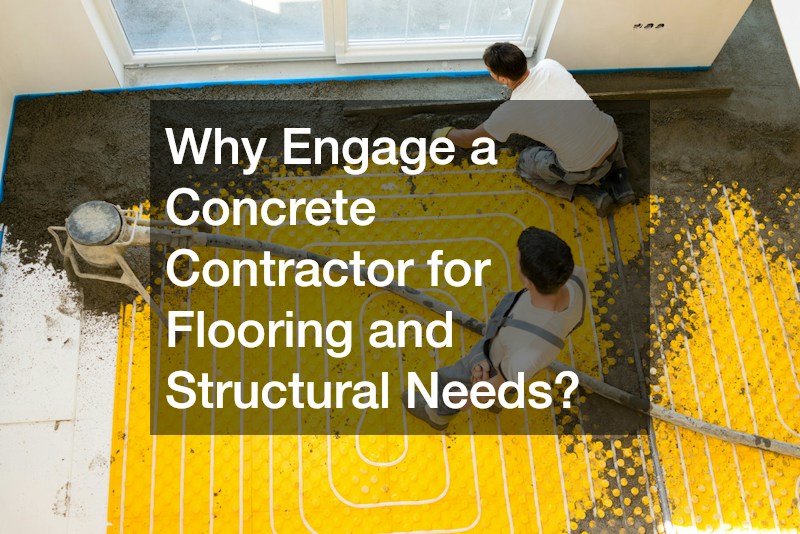
Concrete serves numerous purposes in commercial properties. It may form floors, sidewalks, foundations, loading areas, ramps, and other important surfaces. During rehabilitation, existing concrete should be evaluated for cracking, settlement, deterioration, and other concerns.
A qualified concrete contractor can help determine whether damaged surfaces can be repaired or require replacement.
Types of Concrete Finishes
Commercial concrete does not need to have a plain appearance. Finishes can range from smooth and polished surfaces to textured materials designed for improved traction.
The right finish depends on the intended use of the area. A warehouse floor has different requirements than a customer-facing lobby or outdoor walkway.
Evaluating Contractor Proposals
Property owners should review the scope of work carefully when comparing proposals. Material specifications, surface preparation, reinforcement, demolition, curing, and project schedules can significantly affect the final result.
Clear communication before construction begins can reduce misunderstandings and unexpected expenses.
Innovative Concrete Solutions
Modern concrete solutions can provide improved durability and visual appeal. Polished surfaces, decorative finishes, overlays, and protective coatings may allow existing or new concrete to serve both functional and aesthetic purposes.
These options can be especially useful when businesses want durable flooring with a distinctive appearance.
Project Timeline Management
Concrete work often affects other rehabilitation activities. Demolition, pouring, curing, and finishing must be scheduled carefully so that subsequent work can proceed without damaging newly completed surfaces.
Coordinating the concrete contractor with other trades can help keep the overall project moving efficiently.
When Is an Electrical Panel Upgrade Necessary?
Signs Your Panel Needs an Upgrade
An electrical panel upgrade may be necessary when an existing building cannot safely support its planned electrical demands. Frequent breaker trips, outdated equipment, insufficient capacity, or planned additions of major equipment can indicate that the system requires evaluation.
Older commercial buildings may have electrical infrastructure designed for uses that no longer reflect modern business operations.
Benefits of Upgrading an Electrical Panel
An upgraded panel can provide additional capacity for lighting, computers, HVAC equipment, machinery, and other systems. It may also improve the organization and manageability of electrical circuits.
Planning an electrical panel upgrade during a larger rehabilitation can make it easier to coordinate new wiring and equipment installations.
Understanding Load Capacity
Electrical capacity should be based on the building’s actual and anticipated demands. Adding equipment without evaluating available capacity can create operational and safety concerns.
A proper load assessment considers existing systems as well as future expansion plans.
Hiring a Commercial Electrician
A qualified commercial electrician can evaluate electrical infrastructure and recommend appropriate improvements. Commercial facilities may have more complex requirements than residential properties, particularly when they contain specialized equipment or higher electrical loads.
Professional installation can help ensure that new components are integrated correctly with the rest of the building’s electrical system.
Safety Standards and Codes
Electrical work must comply with applicable codes and safety requirements. Permits and inspections may also be required depending on the scope of the project.
Addressing electrical concerns during rehabilitation can help prevent costly changes after walls, ceilings, and finishes have already been completed.
How Do Commercial Roofing Solutions Contribute to Building Integrity?
Types of Commercial Roofs
Commercial roofing systems vary according to building design, climate, budget, and maintenance needs. Low-slope buildings may use membrane systems, while other structures may require metal, modified bitumen, or other materials.
The existing roof should be inspected before major interior renovations begin because water intrusion can damage new improvements.
Choosing the Right Material
Material selection should account for weather exposure, drainage, building design, and expected service life. A roofing system should be appropriate for the specific property rather than selected solely because it has a low initial cost.
Professional commercial roofing evaluations can help property owners compare available options.
Maintenance and Repairs
Regular inspections can identify damaged materials, drainage problems, flashing issues, and developing leaks. Small repairs completed promptly may help prevent more extensive deterioration.
A rehabilitation project can also provide an opportunity to correct existing roofing issues that have been deferred.
Energy-Efficient Roofing Options
Some roofing materials can help manage heat absorption and improve building energy performance. Reflective surfaces and properly designed insulation systems may contribute to a more comfortable interior environment.
Energy considerations should be evaluated alongside durability and long-term maintenance requirements.
Setting a Budget for Roofing
Roofing costs can vary significantly based on building size, accessibility, material selection, existing conditions, and necessary repairs. Property owners should consider long-term ownership costs in addition to initial installation expenses.
Investing appropriately in commercial roofing can help protect many other improvements made during rehabilitation.
What Services Do Locksmiths Provide in Commercial Building Rehab?
Enhancing Security Systems
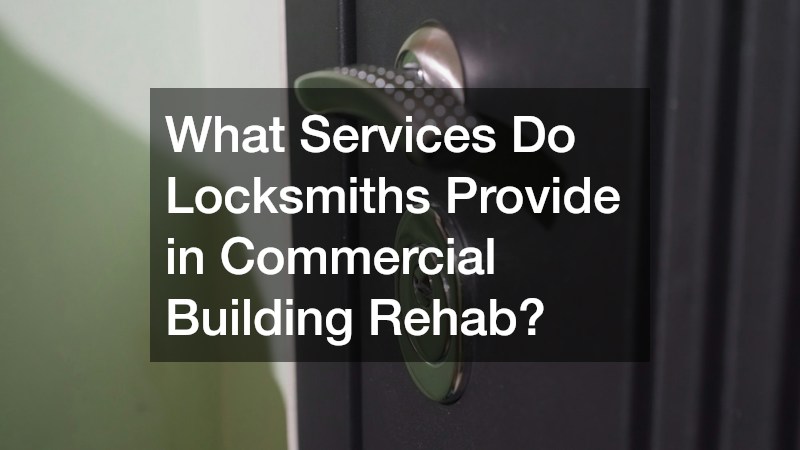
Security is an important consideration when transforming a commercial building. Locksmiths can evaluate doors, locks, hardware, and access points to identify areas that require improvement.
A rehabilitation project may involve replacing old locks, repairing damaged hardware, or establishing new access procedures for employees and tenants.
Modern Lock Technologies
Commercial properties can use traditional mechanical locks, electronic systems, keypads, card access, and other technologies. The appropriate system depends on the building’s security needs and the number of people requiring access.
Modern access solutions may also make it easier to manage changing employees or tenants.
Emergency Lockout Solutions
Lockouts can disrupt business operations. Commercial locksmith services may provide assistance when keys are lost, locks malfunction, or authorized personnel cannot access important areas.
Planning for emergency services can help businesses respond quickly when access problems occur.
Master Key Systems
Master key systems can simplify access management in larger buildings. Authorized managers may be able to access multiple areas while employees receive keys that only open specific doors.
A properly designed system can balance convenience with security.
Cost and Service Planning
Security improvements should be included in the overall rehabilitation budget. Property owners should consider installation costs, future maintenance, replacement keys, and potential technology upgrades.
Working with locksmiths early can help ensure that doors and security hardware are compatible with the finished building design.
What Is the Importance of Hiring a Commercial Electrician?
Understanding Electrical Needs
A commercial electrician can help translate a business’s operational needs into a practical electrical plan. Lighting, outlets, equipment, communications systems, and specialized machinery may all require careful coordination.
Electrical planning should consider how the business will operate today and how its needs may change over time.
Types of Electrical Services Offered
Commercial electrical work can include wiring, lighting installation, panel improvements, equipment connections, emergency systems, and troubleshooting. Rehabilitation projects may also require the removal or replacement of outdated infrastructure.
Coordinating these services early can prevent finished spaces from being reopened later to install additional wiring.
Certifications and Experience
Experience with commercial systems is important because different facilities have different electrical requirements. Property owners should select professionals qualified to perform the specific work required by the project.
Relevant experience can also help contractors anticipate challenges associated with older buildings.
Emergency Electrical Services
Electrical problems can interrupt business operations and create safety concerns. Access to emergency service may be valuable for businesses that depend heavily on continuous power.
Prompt professional assistance can help identify problems and restore operations when unexpected electrical issues occur.
Preventive Maintenance Practices
Preventive maintenance can help identify loose connections, deteriorating components, and other developing concerns. Regular inspections may reduce the likelihood of unexpected failures.
Maintaining electrical systems after rehabilitation can protect the investment made in new equipment and improvements.
How Does an Asphalt Contractor Support Exterior Renovations?
Applications of Asphalt in Commercial Settings
Parking lots, driveways, loading areas, and access roads are important parts of many commercial properties. An asphalt contractor can repair or construct surfaces that support vehicles and improve accessibility.
Exterior improvements can also influence customers’ first impressions of a business.
Preparing the Site for Asphalt
Proper site preparation is essential for durable asphalt surfaces. Drainage, grading, base materials, and existing soil conditions can all affect performance.
Simply placing new asphalt over an improperly prepared surface may not address underlying problems.
Sealing and Resurfacing Procedures
Existing asphalt may sometimes be maintained through crack repair, sealcoating, or resurfacing. The appropriate approach depends on the extent of deterioration and the condition of the underlying base.
A professional evaluation can help determine whether maintenance or reconstruction is the better long-term option.
Sustainability and Eco-Friendly Options
Asphalt rehabilitation may include recycling existing materials and reducing unnecessary waste. Reclaimed asphalt can sometimes be incorporated into new pavement materials.
Proper maintenance can also extend the useful life of pavement and delay the need for more extensive reconstruction.
Budgeting and Project Estimation
Pavement costs depend on area size, demolition requirements, site preparation, drainage, and material quantities. Property owners should understand the full scope of work when comparing estimates.
Scheduling should also account for how exterior construction will affect employees, customers, deliveries, and access to the building.
What Are the Benefits of Concrete Staining in Commercial Spaces?

Aesthetic and Functional Benefits
Concrete staining can give commercial floors a more distinctive appearance without covering the material completely. Stained concrete can complement modern, industrial, rustic, or contemporary interior designs.
Because the appearance becomes part of the concrete surface, concrete staining can be an appealing option for businesses seeking durable decorative flooring.
Types of Concrete Stains
Different stain products create different visual effects. Some penetrate and react with concrete to create variation, while others add color through different methods.
The condition and composition of the existing concrete can influence which approach is appropriate.
Application Processes and Techniques
Surface preparation is essential for successful concrete staining. Existing coatings, adhesives, dirt, and contaminants may need to be removed before the staining process begins.
Application techniques can also affect the final appearance. Professionals can create subtle color variation or more deliberate decorative effects depending on the desired design.
Long-Term Maintenance Needs
Stained concrete should be maintained according to the specific finish and protective products used. Regular cleaning and appropriate maintenance can help preserve its appearance.
High-traffic commercial areas may require additional protective measures to reduce wear.
Cost Considerations
Concrete staining costs depend on floor conditions, preparation requirements, the complexity of the design, and the size of the area. An existing concrete slab in good condition may require less preparation than a heavily damaged surface.
When evaluating costs, property owners should compare the expected longevity and maintenance requirements of stained concrete with alternative flooring materials.
Final Thoughts
Rehabbing a commercial building requires careful planning because the finished space must support both immediate operations and future needs. Improvements involving commercial generators, electrical infrastructure, commercial roofing, security, flooring, interior finishes, branding, and exterior pavement can all contribute to a more functional property.
Working with commercial painting companies, a qualified concrete contractor, experienced locksmiths, a commercial electrician, and an asphalt contractor can help property owners address specialized aspects of the project. Improvements such as large format printing and concrete staining can further enhance the appearance and identity of the completed space.
By evaluating existing conditions before construction begins, establishing realistic priorities, coordinating qualified professionals, and planning for long-term maintenance, business owners can transform an older commercial property into a space that better serves their employees, customers, and organization. A well-planned rehabilitation can improve functionality, strengthen building integrity, enhance security, and create an environment designed around the specific needs of the business.