Managing a commercial property requires constant vigilance, especially when the seasons begin to shift. Facility managers and building owners face a unique set of operational challenges each year as summer heat yields to autumn rain and winter ice. A reactive approach to building upkeep often leads to unexpected downtime, costly emergency service calls, and frustrated commercial tenants. By contrast, establishing a structured, proactive maintenance plan protects the physical structure, keeps occupants comfortable, and preserves asset value over long operating horizons.
Winterization represents one of the most critical phases of annual facility management. Cold temperatures, freezing rain, heavy snowfall, and icy winds can expose hidden structural weaknesses in any commercial facility. Small gaps in structural sealant can turn into massive energy leaks that drive up monthly utility costs. Minor roof degradation can transform into catastrophic water intrusion during sudden thaws. Unchecked plumbing pipes can freeze and burst, causing thousands of dollars in property damage and forcing temporary business closures for affected organizations across the region.
To prevent these costly operational scenarios, property leaders rely on a comprehensive annual checklist that covers every major building system. From the parking area outside to the mechanical rooms hidden inside, every component demands systematic evaluation before severe weather arrives. This master guide outlines the key inspection areas, maintenance tasks, and professional service partnerships necessary to keep commercial real estate safe, energy-efficient, and fully operational throughout the entire year.
Conducting Exterior Grounds and Asphalt Inspections
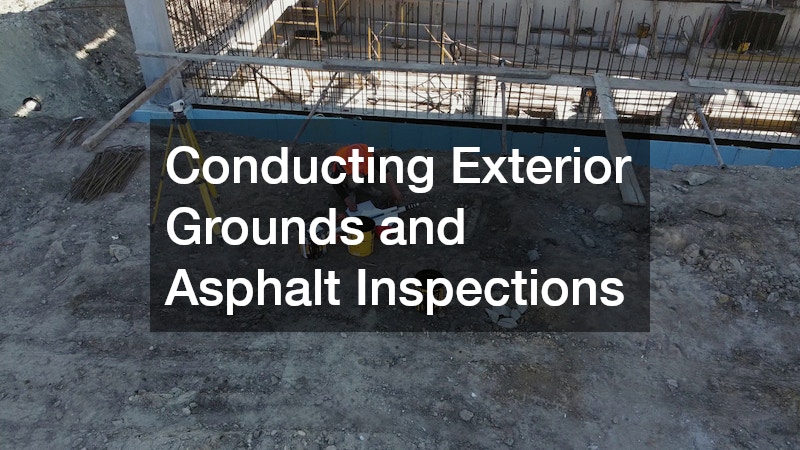
The exterior grounds of a commercial facility serve as the primary visual entry point for clients, tenants, and visitors. Beyond aesthetic considerations, outdoor surfaces directly impact pedestrian safety, vehicular traffic flow, and corporate liability. As fall approaches, facility managers should conduct a thorough walkthrough of all walking paths, parking zones, loading docks, and drainage routes to assess structural readiness for severe winter weather conditions.
Asphalt surfaces endure immense physical stress from vehicular traffic and extreme seasonal temperature fluctuations throughout the year. During warm months, heavy commercial vehicles compress the asphalt surface, while summer rain washes away fine binding particles. When freezing weather arrives, water trapped inside small surface cracks expands rapidly, turning minor fissures into expansive potholes and widespread sub-grade failures. Property managers should schedule timely asphalt maintenance, sealcoating, and targeted parking lot paving repairs before ground temperatures drop too low for effective hot-mix asphalt application. Addressing cracks in early autumn stops water from seeping into the underlying base, preventing structural failure during repeated freeze-thaw cycles.
Additionally, facility managers must verify that exterior stormwater management systems remain completely clear of fallen leaves, silt, and organic debris. Clearing catch basins, retention ponds, storm drains, and curb gutters ensures that melting snow and heavy autumn rains flow efficiently away from the building foundation. Poor drainage around the property perimeter can undermine asphalt sub-grades, flood subterranean levels, and create severe winter ice hazards in high-traffic pedestrian areas, significantly increasing slip and fall injury risks for visitors and staff members alike.
Fortifying the Building Envelope and Roofing Systems
A building envelope is the primary line of defense against harsh, unpredictable weather conditions. If the envelope breaks down, indoor heating costs skyrocket, interior finishes suffer severe water damage, and underlying structural components rapidly degrade. Roof systems endure the most direct exposure to destructive elements, including intense ultraviolet rays, driving rain, freezing winds, and heavy snow loads, making them a top priority on any seasonal maintenance agenda.
Commercial flat roofs and low-slope roofing membranes require detailed physical inspections twice a year, typically in mid-spring and late autumn. Facility maintenance crews should clear accumulated leaves, branches, dirt, and trash from roof drains, scuppers, and collector gutter systems. Standing water on a flat roof adds tremendous weight to structural trusses and drastically accelerates membrane deterioration. When trapped water freezes, it expands and can puncture or separate membrane seams, allowing moisture to reach underlying roof insulation.
Engaging an experienced commercial roofer to perform a professional infrared moisture survey is standard practice for forward-thinking asset managers. These specialized thermal inspections identify wet insulation trapped beneath the roof surface before visible leaks appear inside tenant spaces. A qualified contractor can patch damaged flashing around rooftop equipment units, seal open membrane seams, and reinforce perimeter copings. Completing these preventative repairs prior to winter minimizes the risk of severe structural leaks and emergency interior repairs during periods of heavy snow accumulation.
Optimizing Storefront Entrances and Access Points

Building entryways handle continuous foot traffic while acting as critical thermal barriers between interior conditioned environments and exterior weather. High-use commercial entryways undergo significant mechanical wear, particularly during cold seasons when metal door components contract, lubricants thicken, and rubber seals stiffen.
Storefront glass structures demand careful physical inspection before winter sets in. Excessive drafts around main entrances indicate worn weatherstripping, deteriorated perimeter caulking, or misaligned door framing. Inspecting each commercial glass door across the property allows facility technicians to replace hardened perimeter sweeps, seal glass stop gaskets, and realign sagging frame hinges. Proper perimeter seals prevent cold wind from penetrating corporate lobbies, which significantly reduces workload demands on entryway heating units and prevents customer discomfort near entrance zones.
Mechanical entrance systems require equal attention to ensure ongoing physical safety, operational reliability, and full regulatory compliance. Sliding and swinging automatic doors rely on sensitive motion sensors, mechanical operators, threshold sensors, and safety floor mats that can malfunction in extreme cold. Cold weather can slow down hydraulic door closers or freeze improper lubricants inside door operator gearboxes. Scheduling local automatic door repair with an experienced technician ensures that opening speeds, closing forces, and safety sensors meet rigid industry standards. Proper mechanical adjustment prevents doors from sticking open in sub-zero weather, protecting energy efficiency, tenant physical comfort, and overall building security.
Exterior Lighting, Visual Branding, and Winter Grounds Management
Short winter days mean that commercial properties operate under artificial lighting for a significant portion of the standard business day. Ensuring adequate exterior illumination is vital for tenant safety, security surveillance coverage, and brand visibility from adjacent roadways.
Facility managers should conduct a comprehensive nighttime audit of all exterior building lights, parking pole lamps, walkway bollards, and illuminated signage. Bulbs, ballasts, control photocells, and LED drivers should be tested and replaced promptly. Special focus must be placed on illuminated brand signage, as dark or flickering logo displays project an unprofessional corporate image and can signal underlying electrical line issues. Technicians should inspect internal wiring enclosures, clear nesting debris, and secure structural mountings on every custom business sign to withstand high winter wind loads. Clean, brightly illuminated exterior signage boosts brand visibility during dark winter evenings while ensuring clear directional navigation along perimeter walkways.
Equally important is establishing a clear, actionable operational protocol for severe winter weather events. Slips, trips, and falls on icy sidewalks or unplowed parking bays represent a major legal liability for commercial landlords and facility operators. Securing a reliable contract with a professional snow removal service well before the first snowfall guarantees priority response times during major winter storms. The service agreement should clearly define plowing triggers, de-icing agent preferences, snow stacking locations, and sidewalk clearing schedules. Establishing clear expectations in early fall prevents sudden property closures and keeps vital access routes open for morning commutes.
Interior Climate Control and Environmental Monitoring
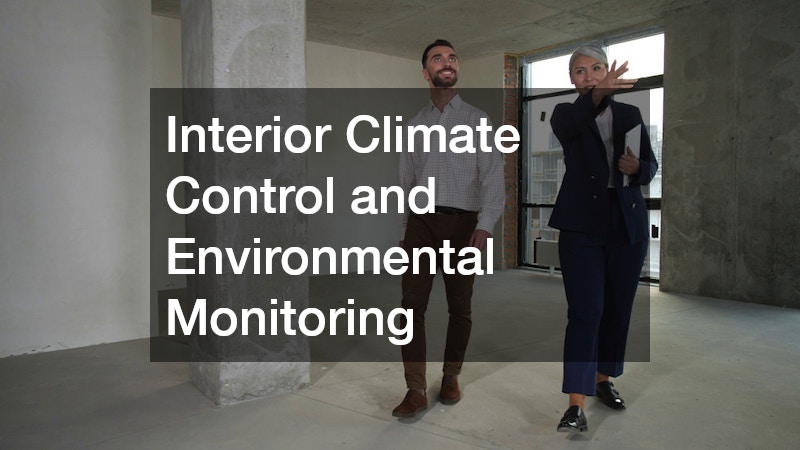
Indoor environmental quality directly impacts employee productivity, tenant satisfaction, and ongoing operational energy costs. During cold months, facility heating systems operate continuously, making pre-season mechanical servicing vital for operational efficiency and long-term equipment performance.
Rooftop heating units, central boilers, heat pumps, and split systems must undergo complete pre-season servicing by qualified mechanical technicians. This detailed process includes replacing clogged air filters, testing blower motor amp draws, inspecting heat exchangers for dangerous structural cracks, and calibrating central thermostats. If existing heating equipment is approaching the end of its functional service life or suffering from frequent operational breakdowns, property owners should plan a full HVAC installation before winter demands cause total mechanical failure. Modern high-efficiency heating units reduce monthly utility expenses, lower carbon emissions, and eliminate emergency heating shutdowns during severe sub-zero cold spells.
Proper ventilation management is closely tied to moisture control within commercial structures. High indoor humidity coupled with cold exterior wall surfaces creates ideal conditions for condensation buildup, particularly in poorly ventilated utility spaces, basements, wall cavities, and ceiling plenums. Unchecked moisture accumulation frequently leads to structural rot and indoor air quality hazards. Facility managers should arrange professional commercial mold testing if building occupants report damp odors or if past roof leaks went unnoticed during summer rainstorms. Early detection through air sampling and moisture meters ensures rapid remediation, safeguarding indoor air quality and protecting long-term property values across the entire asset portfolio.
Electrical Infrastructure and Emergency Power Preparedness
Winter weather brings severe seasonal storms, freezing rain, and high wind events, all of which elevate the risk of municipal power grid outages. A sudden loss of electrical power can compromise building security systems, freeze fire suppression lines, disrupt data centers, and bring routine business operations to a complete halt.
A comprehensive electrical safety inspection should be performed annually across the entire facility. Technicians must check main switchboards, distribution panels, transformers, and disconnect switches for dangerous thermal hot spots using infrared thermography. Loose electrical connections expand and contract under heavy electrical loads, creating severe fire risks that are easily detected with thermal imaging cameras. Hiring a certified electrician to service emergency power systems, replace worn circuit breakers, and test automatic transfer switches guarantees that backup generators start seamlessly when utility power fails.
Emergency egress lighting and illuminated exit signs must also undergo rigorous functional battery testing. Fire code regulations mandate that emergency lighting batteries power backup bulbs for at least ninety minutes during a total blackout. Replacing weak batteries, inspecting emergency lighting circuits, and testing emergency exit sign illumination prevent compliance violations while ensuring smooth, safe building evacuations during unexpected emergency situations across all property sections.
Protecting Plumbing Systems Against Freezing Temperatures
Plumbing failures during freezing winter months can cause widespread, devastating water damage to commercial properties. A single burst water pipe can discharge hundreds of gallons of water per hour, ruining drywall, ceiling tiles, commercial flooring, sensitive electrical equipment, and valuable commercial inventory.
Preventing frozen pipes requires systematic insulation and seasonal shut-off procedures. Exterior hose bibs, outdoor irrigation lines, and water features must be completely drained and shut down before the first hard freeze arrives. Exposed water supply lines passing through unheated spaces, such as mechanical attics, parking garages, loading docks, and exterior wall cavities, require thick foam pipe insulation or temperature-controlled heat trace cabling.
Facility teams should partner with licensed commercial plumbers to inspect backflow preventers, main shut-off valves, and building sump pump systems. Backflow preventers installed on exterior lines or in unheated vaults require specialized insulated winterization enclosures to prevent freeze fractures. Furthermore, testing sump pumps and verifying battery backup systems ensures that melting winter snow packs or sudden spring thaw rainstorms do not flood lower levels, basement storage areas, or elevator pits.
Establishing a Multi-Trade Vendor Network for Year-Round Operations
Managing a commercial facility successfully requires more than just a seasonal checklist; it demands a dependable network of skilled, licensed service professionals across every trade discipline. When severe winter weather strikes or unexpected mechanical equipment fails, having pre-established relationships with reliable service providers makes the difference between a swift resolution and an expensive, prolonged property shutdown.
Property managers should review vendor contracts annually, confirming current liability insurance coverage, worker compensation certificates, emergency response time commitments, and agreed hourly labor rates. Setting up clear communication protocols and priority service level agreements ensures fast dispatch times during peak regional demand periods when local service companies experience heavy backlogs.
By taking a systematic approach to annual maintenance and winterization, commercial real estate owners protect their capital investments, maintain high tenant retention rates, and minimize unexpected operational expenses. Implementing these detailed maintenance protocols each autumn creates a safe, energy-efficient environment that stands strong against the toughest winter weather conditions while maintaining seamless operations year after year.
Maintaining a commercial building is an ongoing, continuous process that requires dedicated oversight and strategic coordination. Property managers who invest the time into detailed autumn preparation ensure that their facilities operate efficiently, remain safe for all visitors, and avoid expensive emergency repairs during the coldest months of the year.